Designing a Top-Notch Fintech UI: Essential Elements for Success
Learn fintech UI design with ANODA UX Agency. Create secure, user-friendly apps featuring personalization, gamification, and intuitive navigation.
Design the payment from both ends — what the payer sees before they confirm, what the recipient sees until the money lands, and what your operations team needs when a payment stalls.

Every party to a payment knows where it stands, and what happens next.
Choosing, holding and tracking investments.
Payment Product Design
Money moving from a payer to a recipient.
Not included
The payer's, the recipient's and the operations team's view of the same money.
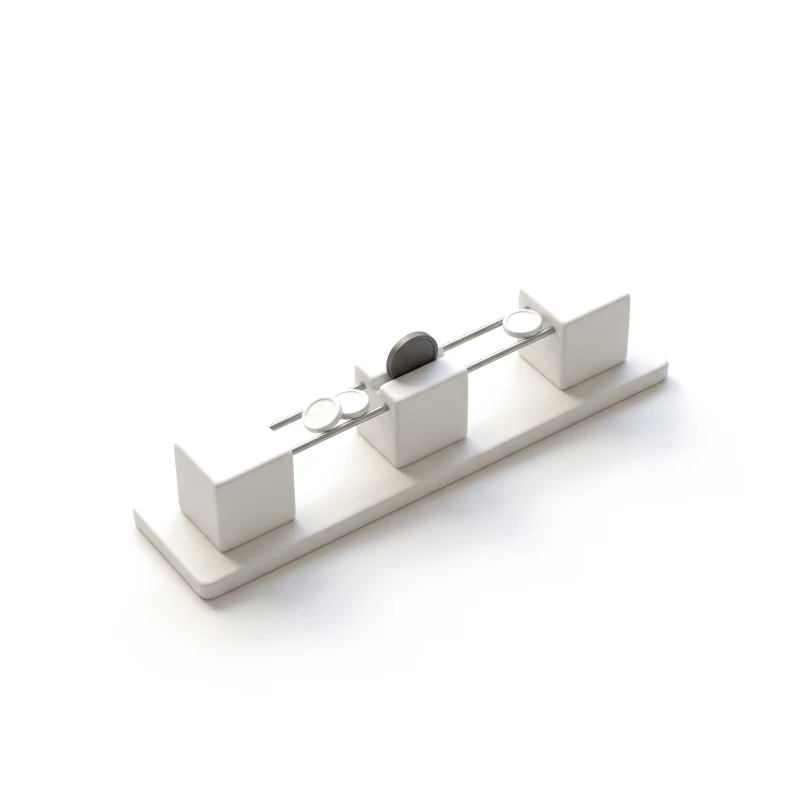
Who pays, who receives, who holds the money in between, and who can act on it.
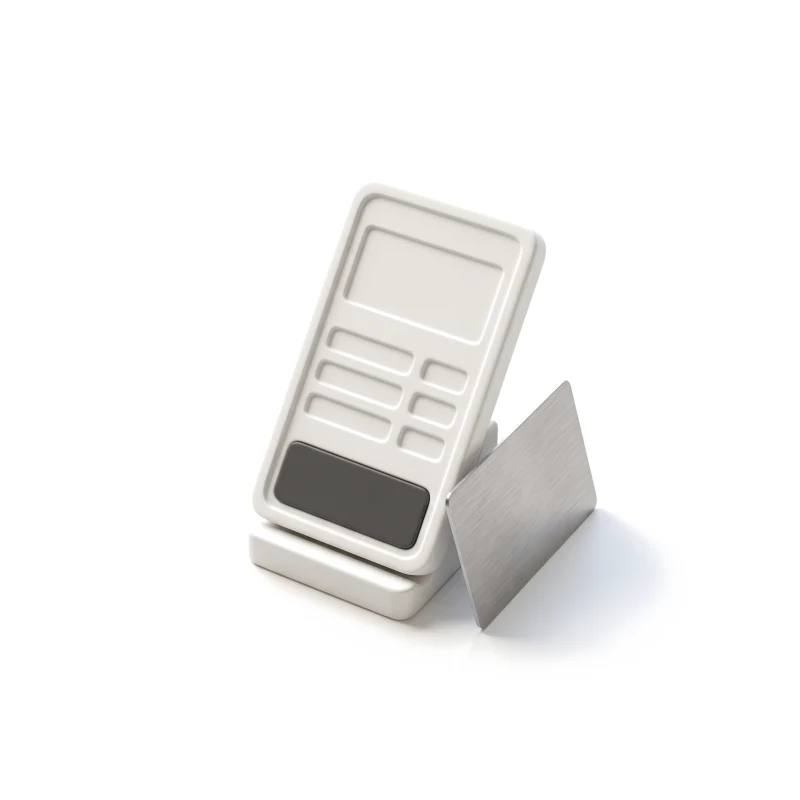
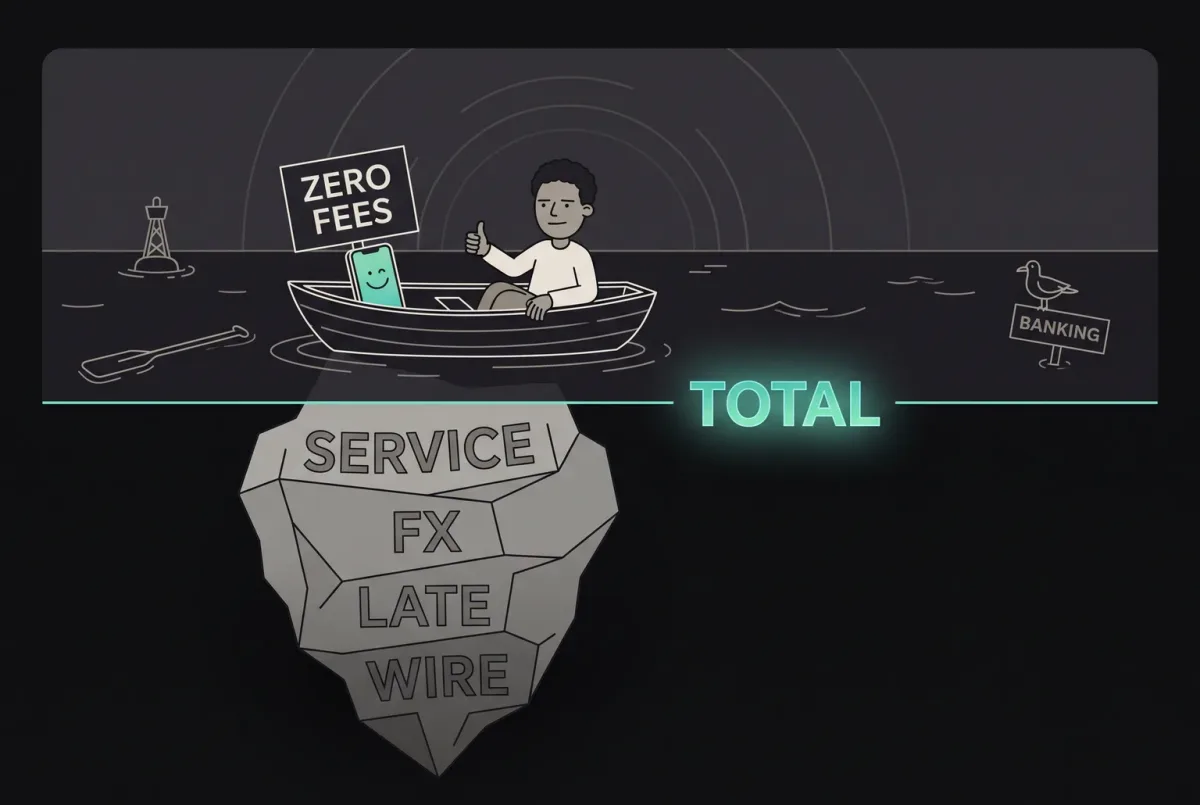
Amount, method, fees and the final total, settled before the pay button.
What has arrived, what is still pending, and when the payout lands.
Failed payments, refunds, holds and the queue your team reconciles.
You receive
Most payment UX design problems live between the tap and the settled record. Each of these moments is drawn for the payer, the recipient and your team.
Two products where money moves between parties, from the quote to the payout.
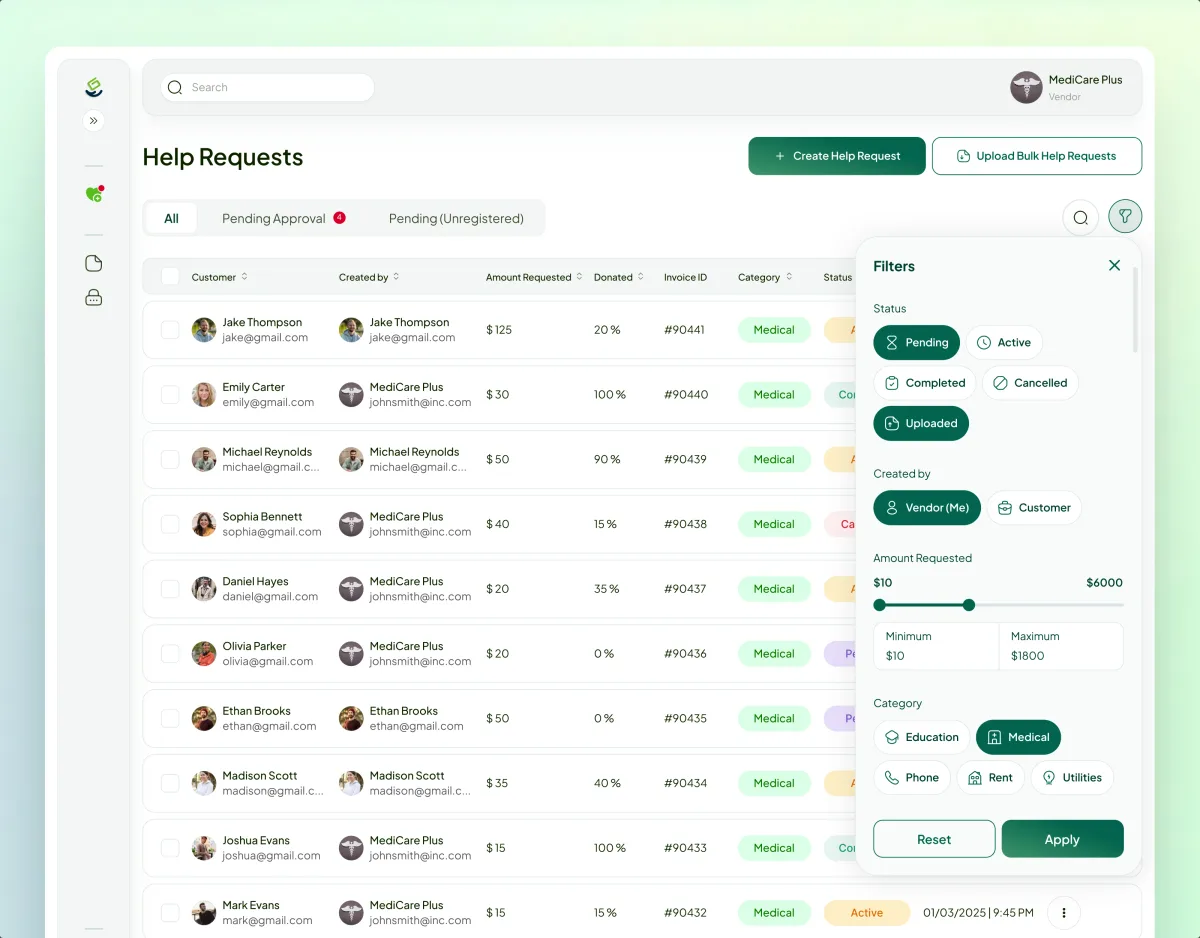
FinTech · Charity · Web platform
Designed, then built, a four-role platform where a donor's money goes straight to a family's landlord or utility — verified requests, transparent statuses and vendor payouts through Stripe.
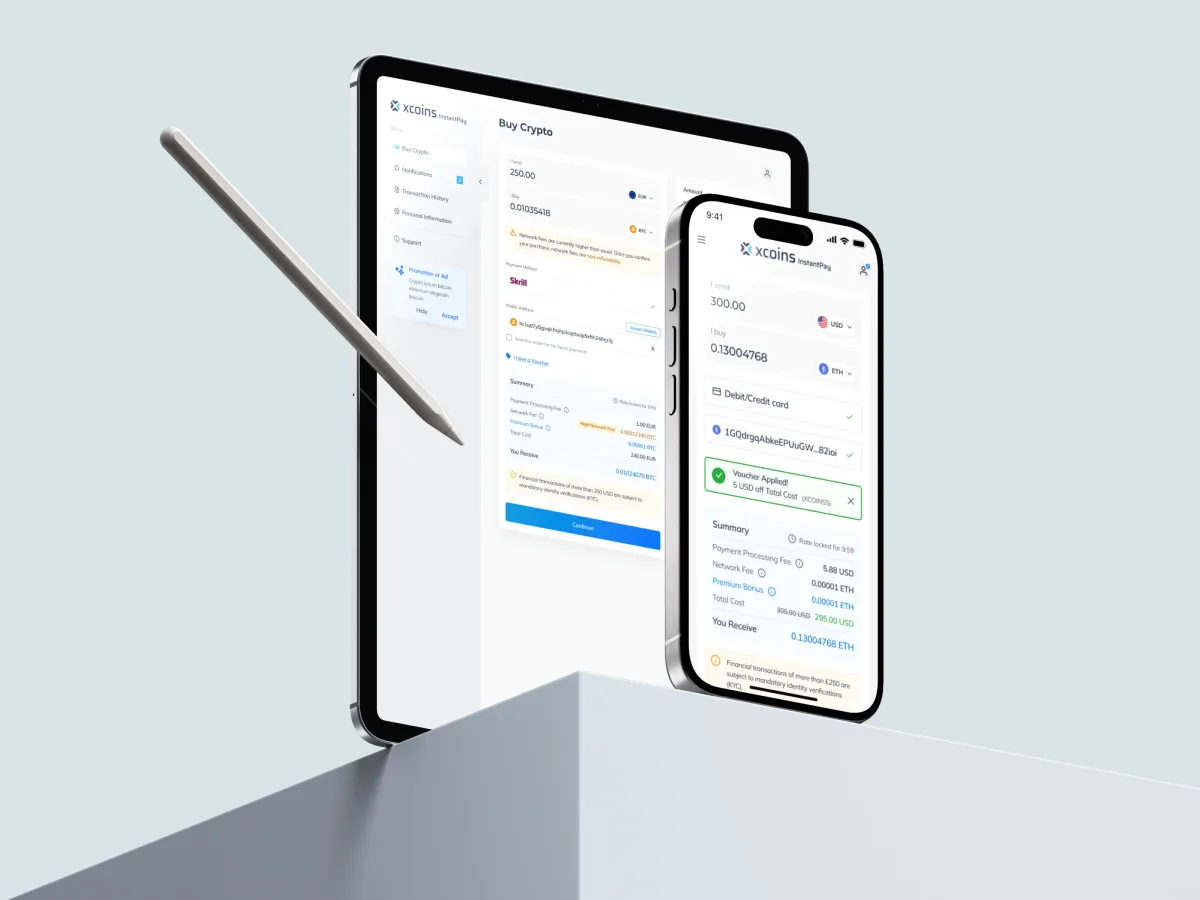
Crypto · FinTech · Web + Mobile
Redesigned the web and mobile buy journey of a crypto app — one flow from quote to payment, every fee itemised before confirm, and the states where a rate expires or a limit is hit.
It fits when money moves between people who each need to trust what they see.
A payer, a recipient and often a platform in between, each needing its own view.
Tickets ask where a payment is, why it failed or when a payout lands.
Your team reconciles, refunds and chases failures in spreadsheets and inboxes.
The payment provider and its rules are known or shortlisted, so the design can follow them.

Tell us who pays, who receives and who handles the money in between. We will come back with a useful scope and a realistic next step.
Payment work starts through the service that fits your stage, and its proposal sets the terms.
The design work gives the purchase journey a consistent structure across the proposed web and mobile screens. We appreciated the attention to what information appears at each step, so the team can review the experience before implementation.
Tell us who pays, who gets paid, and which payment questions reach support today.
Message received.
Within 15 minutes, we’ll email you initial feedback and follow-up questions.
Learn fintech UI design with ANODA UX Agency. Create secure, user-friendly apps featuring personalization, gamification, and intuitive navigation.
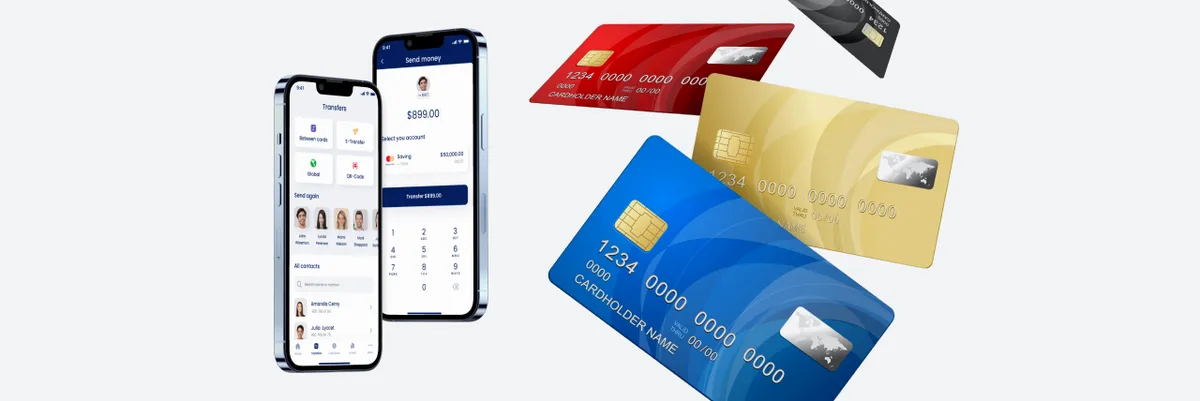
Build secure, user-friendly fintech apps with ANODA UX Agency. Drive engagement and trust while taking your fintech app to the next level. Get started today!
Look for a team that has designed payments from more than one side and can show the unhappy paths, not only the checkout. A payment product earns trust when something goes wrong, so a portfolio of polished pay buttons tells you little. Ask to see the screens for a declined card, an expired quote, a pending payout and a refund. Ask which roles they designed for, and whether the operations tools were designed or left for later.
A money-flow and role model, the payer's checkout and confirmation, the recipient's and payout views, the operations console, every status in between, a prototype and the UI. Cost and timeline depend on the number of parties, methods and currencies, the platforms, whether the product is new or live, and the provider's constraints. Nothing here is sold as a package: the service you start with scopes the work in its proposal, and the timeline is agreed once scope, access and your provider's constraints are known.
Payers, signed-in or paying as guests; recipients, from private people to merchants and vendors; the platform's admins, operations and finance staff; and support. The workflows are adding a method, paying, confirmation and receipts, verification, refunds and disputes, payouts, and the reconciliation your team does at the end of the day. Where a platform sits between the two, we also design the moments it holds the money: before a payout is released, while a dispute is open, or when recipient details fail a check.
UI/UX & Product Design for a new product; a UX Audit when a live flow loses people; UI Redesign when the flows work and the interface has aged. Web App Design and Mobile App Design cover each platform, and Dashboard Design the numbers operations watches. Checkout at a counter belongs to POS Software Design, and choosing or tracking investments to Investment Platform Design.
With the flows, not after them. Each status is drawn for each party: the payer sees why a payment failed and what to try next, the recipient sees what is pending, and operations sees what needs a person. A permission matrix sets out who can refund, release a payout or change recipient details. The messages follow your provider's decline reasons and rules; we design around those rules and leave compliance and legal decisions with your team.
Access to the product or a sandbox with a test account for each role, the rules for fees, limits, refunds and payouts, the support themes and failure reasons you have, someone who owns the product decisions, and your engineers with the provider's documentation to hand. The tickets that start with 'where is my money?' tell us most.
Payyro, where a donor's payment goes straight to the vendor behind a family's overdue bill — 4 roles in one platform and 400+ unique screens, designed and built by one team. Xcoins, a crypto buy journey redesigned for web and mobile — one quote-to-payment logic across 2 platforms, with fees itemised before confirm. Both cases follow the money from quote or request to payout, including the states where it stalls.
Yes. Xcoins was a redesign of a live buy flow, handed over as components and states for the client’s developers. Payyro started with a UX audit of the existing product. Each change is designed in your files and system, with your designers and engineers, and handed over in full. Where there is no system yet, we set up the parts a payment product repeats — amount fields, method pickers, fee summaries, status badges and receipts.