
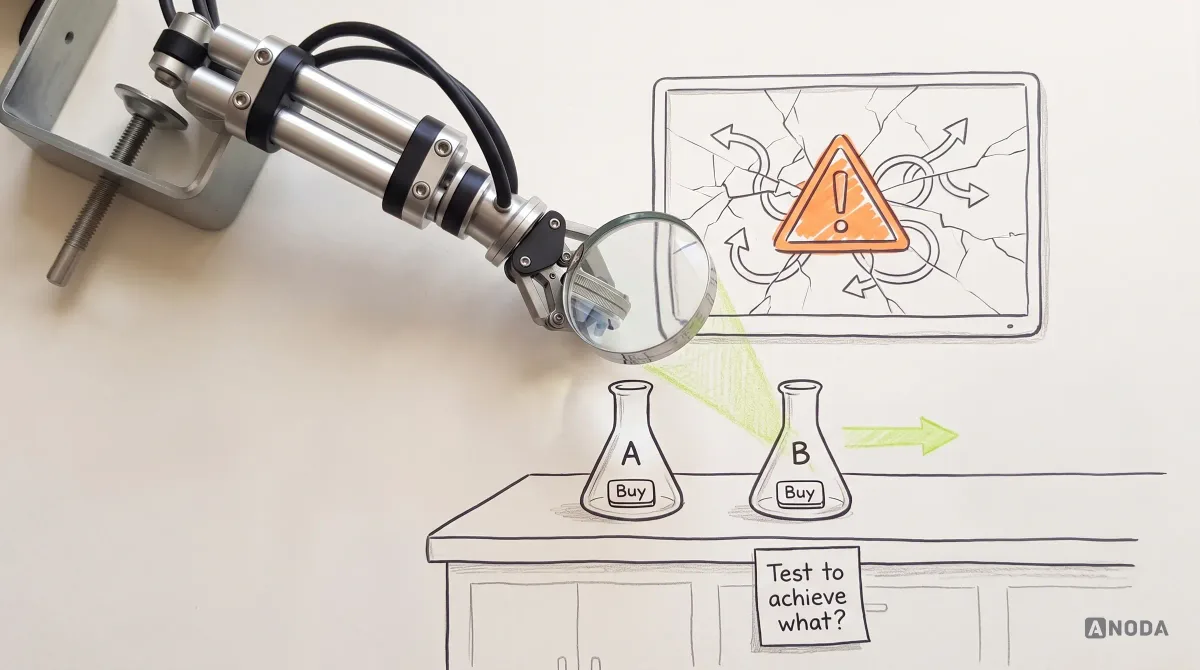
A/B Testing in UX Design: When and How to Run a Valid Experiment
Learn when A/B testing fits UX, how to define hypotheses and metrics, run valid experiments, interpret results and avoid false product conclusions.
Design the software marketing teams run their week in — audiences and journeys, the numbers that say what worked, the SEO work and the creative that goes out — so a marketer can act without exporting to a spreadsheet first.

Marketing software a team can act on, not just read and export.
Buying and selling ad space: budgets, inventory, placements.
MarTech & Marketing Software Design
The marketer's own stack: audiences, journeys, results, SEO.
Not included
What we design for marketing software, whichever part of the stack it covers.
Marketers, analysts, agencies and their clients, and what each can see and change.
Segments, triggers and sends a marketer can build and check before anything goes out.
Reports that show where each number comes from and which model gave it the credit.
Briefs, drafts, comments and approvals shared between a team and its clients.
You receive
Marketing platform design meets data from ten tools, clients who log in to check their own results, and consent that differs by channel. Each state below gets a screen of its own.
Attribution, SEO and paid traffic — three different jobs for three different marketing teams.
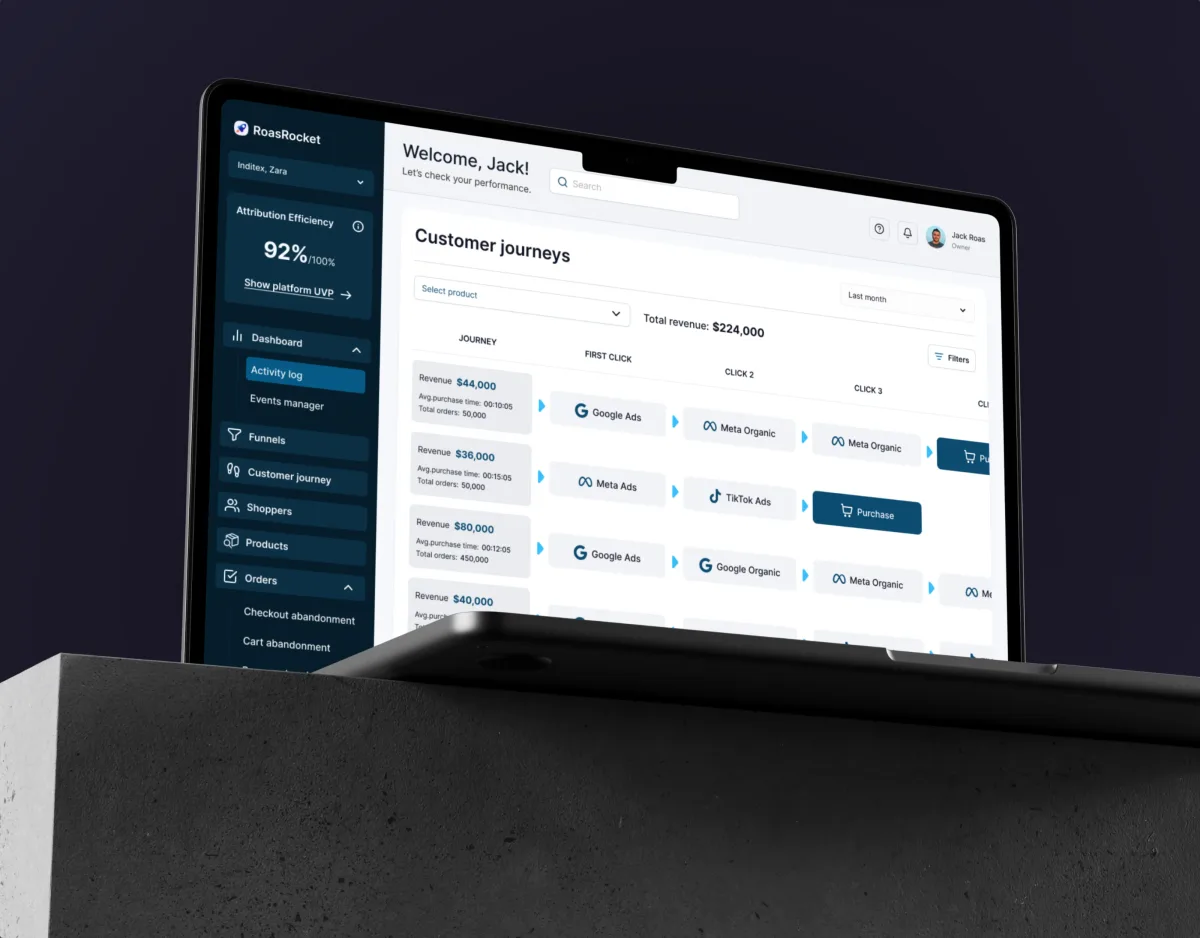
Marketing · Analytics · Web SaaS
Designed a marketing attribution CRM that pulls Facebook and Google into one place and traces every conversion back to the click that earned it.
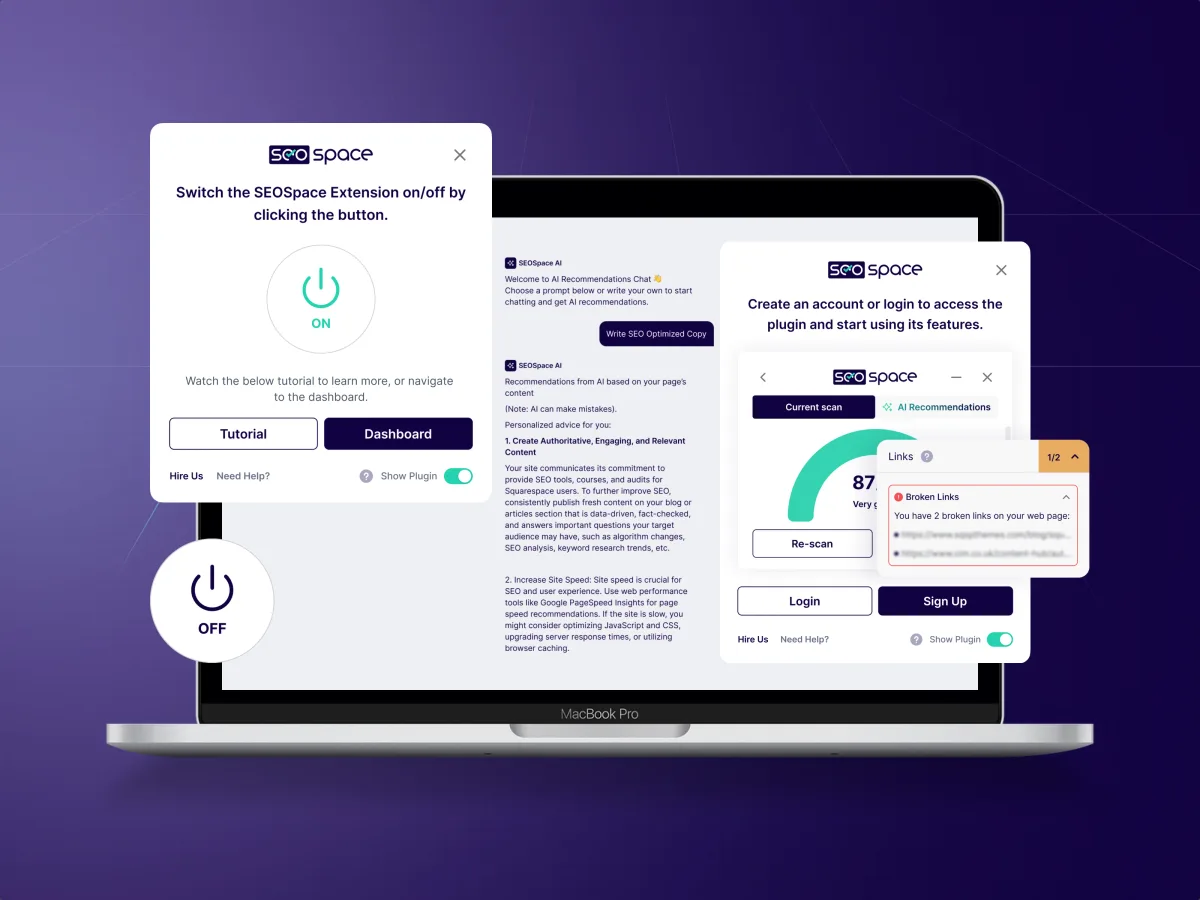
SEO · SaaS · Web platform
Designed an SEO tool for Squarespace users on one component set — an extension inside the editor, a web app and a landing page — from a UX audit to handoff.
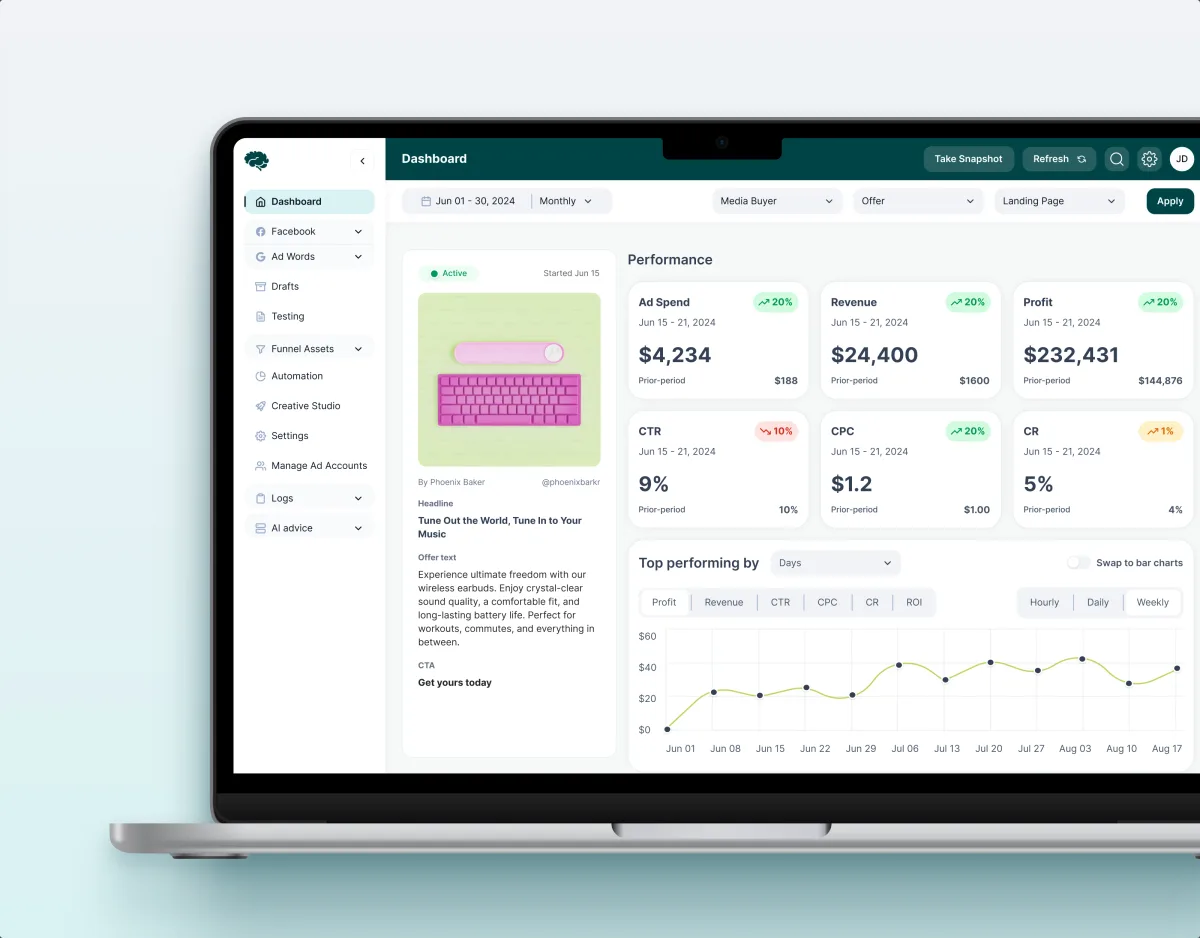
MarTech · Ads analytics · Web SaaS
Redesigned a paid-traffic SaaS across 11 modules, including automation rules that pause ads and creative approval.
It fits when one product carries several marketing jobs, or serves marketers and the clients they report to.
Audiences, sends, reports and SEO live side by side and have to feel like one tool.
Workspaces, permissions and shared reports decide whether an agency adopts it.
Numbers arrive from ad platforms, CRMs and analytics, and rarely agree.
The people using it want an answer and a next step, not a query builder.
A focused page for one job

Tell us which marketing jobs it covers and where users give up. We will reply with the module we would look at first, and why.
Marketing software projects open with the service your product needs most now; its proposal carries the terms.
Tell us who uses it — in-house teams, agencies or both — and which job they came for.
Message received.
Within 15 minutes, we’ll email you initial feedback and follow-up questions.
Learn when A/B testing fits UX, how to define hypotheses and metrics, run valid experiments, interpret results and avoid false product conclusions.
Learn what a website dashboard is, which dashboard types fit different decisions, and how to design useful data views without overwhelming users.
Yes, and each is a published case with its own scope. ROAS Rocket, an attribution CRM: we designed its 148 unique screens. SEOSpace, for Squarespace sites, spans a Chrome extension, a web app and a landing page: 400+ unique screens. Concussion Media is a paid-traffic SaaS with automation rules and creative approval: 11 modules designed and approved by the client. Each figure belongs to its own project. Wildcast, a podcast ad marketplace, is on the AdTech page.
Ask to see the states behind the charts: a source that disconnects, two tools that disagree, a client who should not see another client's data, a segment too small to send. Ask which part of the stack each project covered, and which decisions were the designers' rather than the developers'. A good MarTech design agency will also tell you plainly that it designs software and does not run your campaigns. Be wary of a portfolio of dashboards alone: most of the hard decisions sit in setup, permissions and the data states.
In-house marketers and team leads, performance and lifecycle specialists, analysts, SEO and content people, agencies and the clients they report to, and the admins who connect the data. The workflows are campaign planning and launch, audiences and segments, journeys and automated sends, measurement and attribution, SEO audits and keyword work, and creative briefs, reviews and sign-off. An agency user switches between clients all day; an in-house marketer lives in one workspace but needs every channel in it.
A new product or module starts with UI/UX & Product Design, a live one marketers abandon after the trial with a UX Audit, and one grown feature by feature with UI Redesign. Dashboard Design covers the reports, Web App Design the builders and tables, and MarTech Development builds what we design. Attribution, automation, SEO and creative operations each have a focused page, and buying and selling ad space — AdTech UX design — has its own.
Each one gets a visible place in the flows from the start. Your legal and privacy teams decide which consent, tracking and data rules apply, and the ad and email platforms set their own policies; we design how each shows up — a contact who has not agreed to a channel, data a client may not see, a send the platform will refuse. Signing them off is your lawyers' job, not ours.
A test workspace per role, sample accounts, reports and journeys — a messy agency setup helps most — churn reasons and support themes, one product owner who decides, and access to engineering and your integration owners. The workarounds your users keep in spreadsheets and slide decks tell us most about what the product is missing.
No. We design the software marketing teams use; we do not run campaigns, buy media or do SEO for clients. The measure of our work is whether marketers can plan, launch and read results in your product without help — not traffic or revenue figures, which depend on how the product is used.
Yes. Most marketing software work starts from a product customers already rely on, where reports and journeys must keep working while the interface changes. We join your product, engineering and customer-success people in your files and components, and you keep every file. When the product adds a channel or a module, we extend the components so it reads like the rest. We can start with one module and extend from there.