App Marketing Guide: From Pre-Launch to Retention
A practical app marketing guide covering pre-launch positioning, acquisition channels, app-store conversion, activation, retention, measurement, and iteration.
Design the product where brands find the right creators, agree what will be made and on what terms, approve the content, and see what the campaign delivered.

Brands and creators agree on the work, and both can see how it is going.
Any market where strangers buy and sell.
Influencer & Creator Platform Design
Brands and creators agreeing, making and approving content.
Not included
The brand's, the creator's and the operator's side of the same deal.
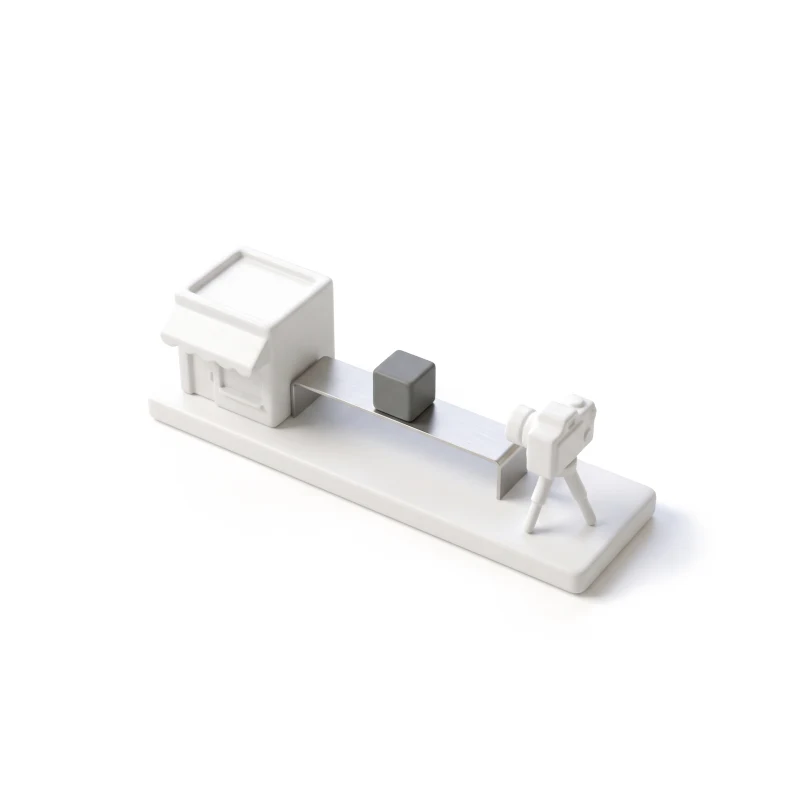
Who joins on each side, who acts for whom, and what the operator can step into.
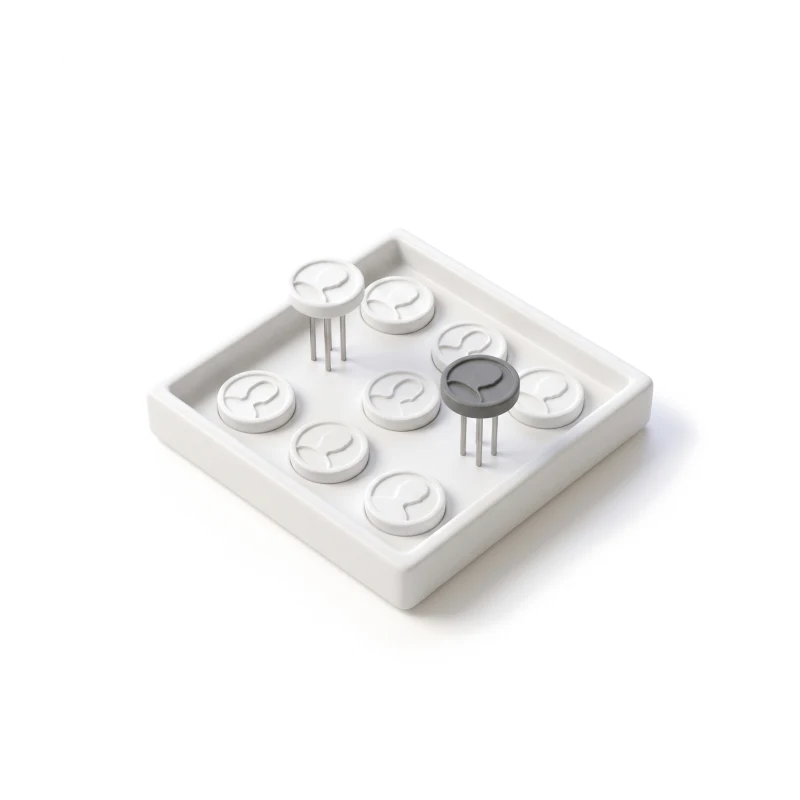
Search, filters and profiles that show fit, audience and past work, not only follower counts.
Offer, terms, deliverables, drafts, feedback and sign-off in one thread.
What was agreed, what went live and how it performed, for both sides.
You receive
Influencer marketing platform UX turns a negotiation into a workflow — an offer, agreed deliverables, drafts, approvals and results. Every screen is drawn for the moments it can stall.
Two products where brands and creators strike deals, and the teams that run them.
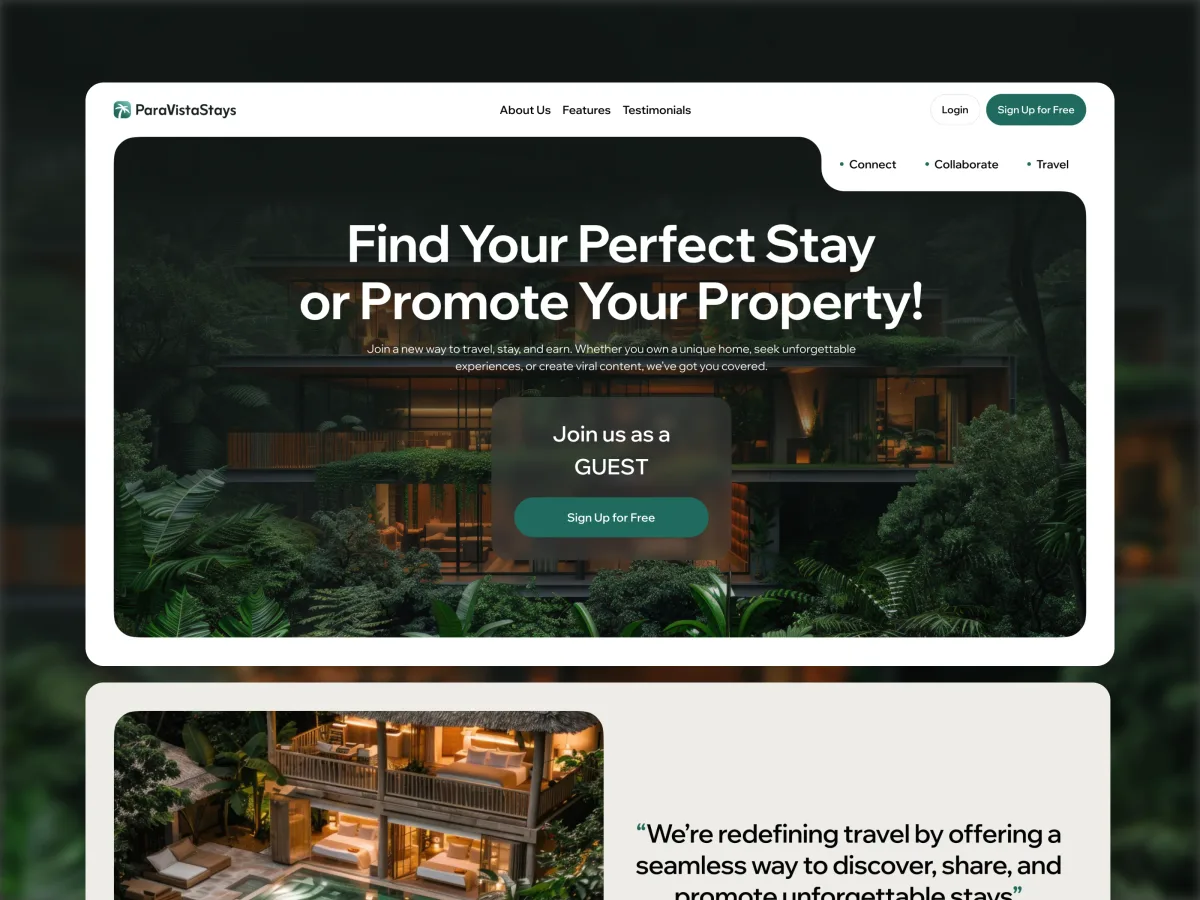
Travel · Marketplace · Mobile-first web + Admin + Landing
Designed the collaboration side of a villa marketplace, where a host offers a stay in exchange for content, the creator takes the offer, and both always know where the deal stands.
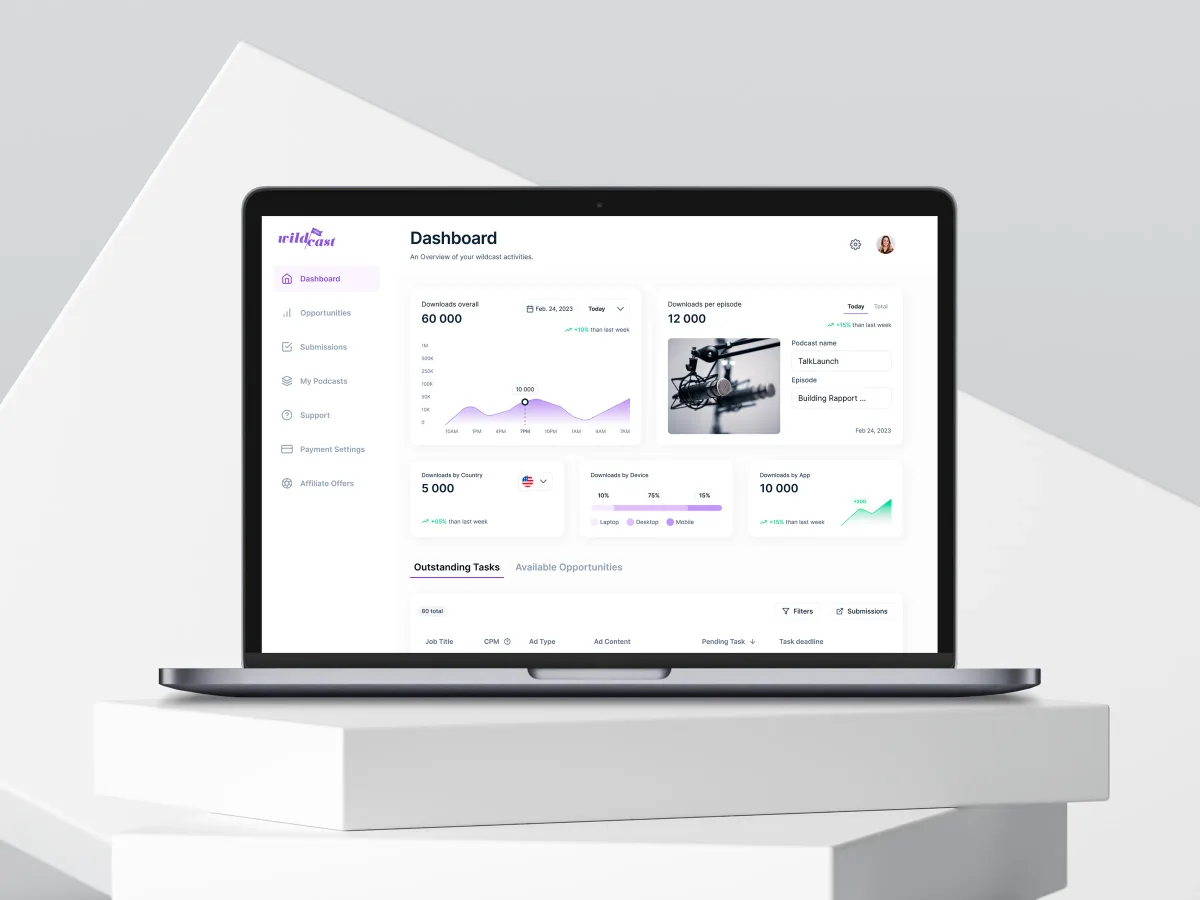
UI/UX Design, Web App
Redesigned a marketplace that connects brands with podcast hosts for host-read ads — campaign setup, podcast discovery, opportunities and reporting across advertiser, podcaster and admin portals.
It fits when brands and creators have to agree on work, not just a price.
Brands and creators agree deliverables, dates and payment or barter, not a single price.
Drafts go back and forth before anything goes live.
Briefs set criteria, and both sides want to know why a match was or wasn't made.
Your team verifies creators, settles disputes and keeps campaigns moving.
A different starting point

Tell us who the brands are, who the creators are and where collaborations stall. We will come back with a useful scope and a realistic next step.
We take on an influencer platform through the service that suits its stage — new, live, or losing one side — and that proposal sets the terms.
ANODA considered the traveller, host and creator perspectives as parts of one product. We appreciated the way the design connects discovery and booking with the tools needed to manage and present the properties.
Tell us who joins on each side, what they agree, and where deals fall through.
Message received.
Within 15 minutes, we’ll email you initial feedback and follow-up questions.
A practical app marketing guide covering pre-launch positioning, acquisition channels, app-store conversion, activation, retention, measurement, and iteration.
Learn how marketing design connects brand systems, message hierarchy, campaign assets, and conversion goals—and where product UX fits.
One that has designed both sides of a real marketplace and the tools of the team that runs it. A platform that only lists creators is a directory; the product is in the deal. Ask to see the collaboration itself, not only profiles and a dashboard: a counter-offer, a draft with changes requested, a missed deadline, a creator who does not meet the brief. Ask how eligibility was decided, and what the operator's own tools looked like.
Terms become a structured offer rather than a chat: deliverables, formats, dates, usage rights and payment or barter. Any change is a counter-offer with its history kept. Drafts arrive in the same thread, feedback is pinned to the draft, the number of rounds is agreed up front, and approval locks the version that goes live. Both sides always see the same status. Disclosure rules and contract wording come from your legal team.
Brands and agencies, with the marketers who brief and the managers who approve; creators and the managers who act for them; and the operators who verify, moderate, settle disputes and release payments. The workflows are joining and verification, profiles, discovery and shortlists, briefs, offers and negotiation, drafts and approvals, publishing and proof of posting, reporting, settling payment or barter, and reviews.
UI/UX & Product Design for a new platform; a UX Audit when one side drops out of a live one; UI Redesign when both sides have outgrown the interface. Web App Design covers brand and admin tools, Mobile App Design the creator's side, and MarTech Development builds it and connects it to social and analytics tools. Wider buyer–seller markets belong to Marketplace Design, in-house creative to Creative Management, and attribution to Marketing Analytics.
With the flows, not after them. Each screen is drawn for an unverified creator, a brief nobody matches, an offer with no reply, a counter-offer, a draft in review, requested changes, a missed deadline and results still arriving. A permission matrix covers agencies acting for brands, managers acting for creators, and when the operator can step into a thread. Numbers from social platforms often arrive late or partial, so they show their source and time. We do not invent fraud scores; if your platform runs checks, we design how their results read.
Access to the platform or staging with test accounts for a brand, a creator and an admin, your rules for offers, rates, barter, rights and approvals, the data you have on where deals stall, a product owner with the final word, and engineers who know the social-platform APIs you use. A handful of real collaborations, from first message to final report, tells us most. If creators are paid through the platform, bring the payment provider's rules too: payouts, holds and refunds shape the collaboration screens.
ParaVistaStays, a villa marketplace where creators trade content for stays — 347 unique screens for guests, creators, hosts and the admin team. Wildcast, a marketplace connecting brands with podcast hosts for host-read ads, with separate portals for advertisers, podcasters and admins. In both, the deal itself is the product: the offer, the answer and the status each side sees, plus the admin side only the operator uses.
Yes. ParaVistaStays and Wildcast were both redesigns of products already in use; ParaVistaStays began with a UX audit of the existing product for every role, signed off before a single new screen was drawn. The redesign happens in your files and components with your designers and engineers, and both sides' flows are handed over with their states.