

Creating a UX Roadmap from Evidence to Product Outcomes
Build a UX roadmap from research evidence, outcomes, opportunity areas, assumptions, dependencies, owners and learning milestones—not feature dates.
One agreed direction when requests compete for the same team.
Tests assumptions with users before a build.
Product Strategy
Agrees direction and priorities from what is already known.
Not included
The output makes the reasoning visible. Your team should be able to explain what the next phase is for, what it contains and why other work has been deferred.
The product context, audience and decision, stated for the delivery team.
What matters now, with the evidence and trade-offs behind it.
A proposed sequence of workflows, with dependencies and boundaries.
The assumptions to validate and the signals to watch next.
Research, detailed design or frontend implementation can follow as separately agreed phases when the direction and delivery conditions are clear.
Discuss your productStrategy work puts the product purpose, the constraints and the options in one place, so the people who decide can decide.
| Question | Method | Why this method |
|---|---|---|
| What problem is the product solving, and for whom? | Stakeholder sessions and a review of existing evidence | Competing requests usually come from different answers to this question. |
| Which options are realistic now? | Options and trade-off mapping against constraints | Constraints decide more than preferences do. |
| What is still unknown? | Assumption review, with research or discovery where needed | Naming what is not known keeps the plan honest. |
One problem definition the decision-makers recognise and accept.
What is possible, what each option costs, and what it rules out.
An order the team can explain to the people who asked for something else.
What is in, what is out and what would change the plan.
Limits and confidence. Strategy is only as good as the evidence it rests on. Where a priority depends on an untested assumption, we say so and suggest how to test it.
Your product has competing requests that need a common priority.
Decision-makers can participate and resolve trade-offs.
Engineering can explain the constraints behind possible directions.
You want a defined next phase rather than an ever-expanding wishlist.

Share where the product is and what has to change. We will come back with a useful scope and a realistic next step.
What we need from your team, who does what, and what happens after the handoff.
After the engagement No follow-on is assumed: research, detailed design or frontend implementation are separately agreed phases. Usually 2–4 weeks for an agreed scope.
Describe the competing priorities, the people involved and the next milestone. We will discuss how to turn that uncertainty into a focused direction.
Message received.
Within 15 minutes, we’ll email you initial feedback and follow-up questions.
Build a UX roadmap from research evidence, outcomes, opportunity areas, assumptions, dependencies, owners and learning milestones—not feature dates.
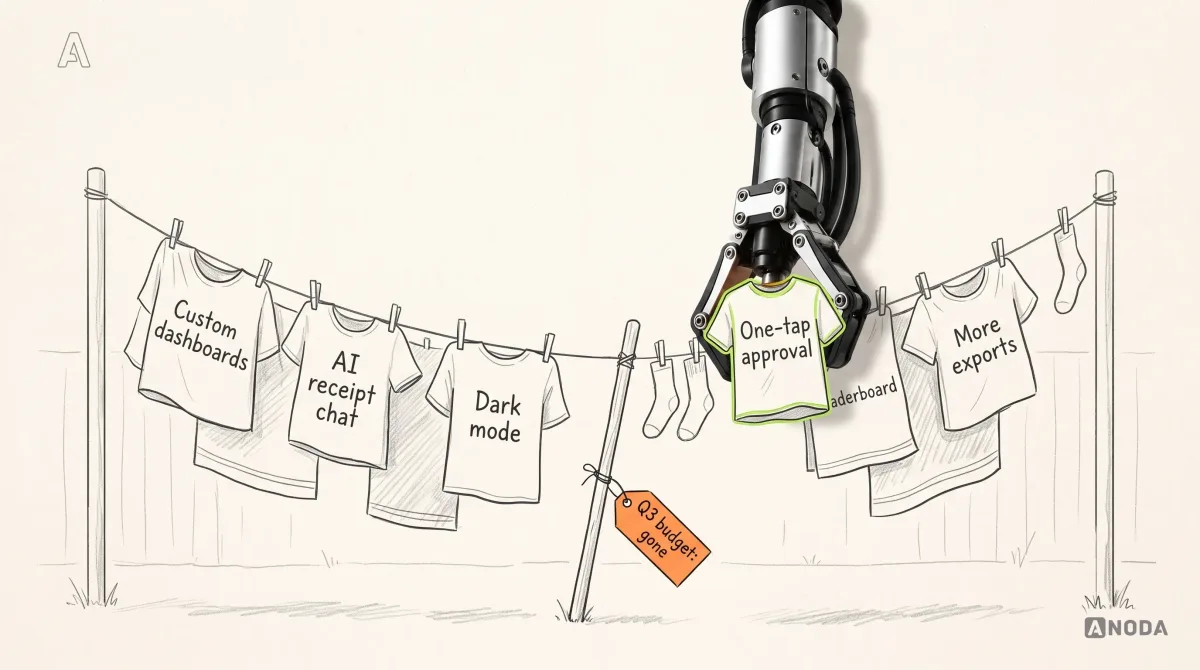
Learn how to build a product design strategy that connects user evidence, business goals, product choices, validation, delivery, and success measures.
The focus is product strategy: user problems, workflows, priorities and the direction of the experience. We connect these to your business goals, but corporate strategy, fundraising, financial modelling and market-entry advisory are not implied services.
A working product provides useful evidence, but a funded launch or substantial prototype can also present a clear product decision. We first establish what exists, what is known and which decisions the engagement can realistically support.
Where it helps the decision, we create a reasoned sequence of work with dependencies and open questions. It is a planning tool that should evolve with evidence, not a promise that a fixed feature list will produce a particular commercial outcome.
An audit examines an experience and prioritises improvements. Strategy helps decide what the product or next phase should focus on when priorities, scope or direction are still unclear. The two can inform each other without being the same engagement.
People who own product priorities and understand user, business and technical constraints. We agree the participants and decision responsibilities during scoping so the work can lead to an actionable choice rather than another unowned document.
No automatic follow-on is assumed. The strategy engagement defines its own outputs. Research, detailed design or frontend implementation can follow as separately agreed phases when the direction and delivery conditions are clear.