


Financial App Onboarding: Design KYC Around Activation
Learn how to design financial app onboarding across signup, KYC, funding, first value, failure recovery, trust, and activation measurement.
Why signups stop before first value, and what to fix first.
New customers can attempt the selected journey in a live product or usable beta.
The team can define the primary customer and the first meaningful result.
Product and engineering owners can explain the promise, constraints and known changes.
The team needs priorities before committing to redesign or implementation.
The audit follows the selected segment across the moments that determine whether setup becomes a useful result.
What the customer expects before signup
What the product asks for in exchange
What must happen before meaningful action
What the customer does to reach value
What proves success and gives a reason to return
A decision package your product, design, engineering and growth owners can use.
Who counts, where they start and what first value means.
Every step from the promise to the first useful result.
What breaks, what shows it, and how sure we are.
What to change first, and what needs its own scope.
The events and guardrails that show whether a fix worked.
A walkthrough your team can come back to.
Each finding says what it rests on. The expert review is always there; the rest comes from what you can share.
Illustrative finding
Live products where an audit showed what to fix before the design work began.
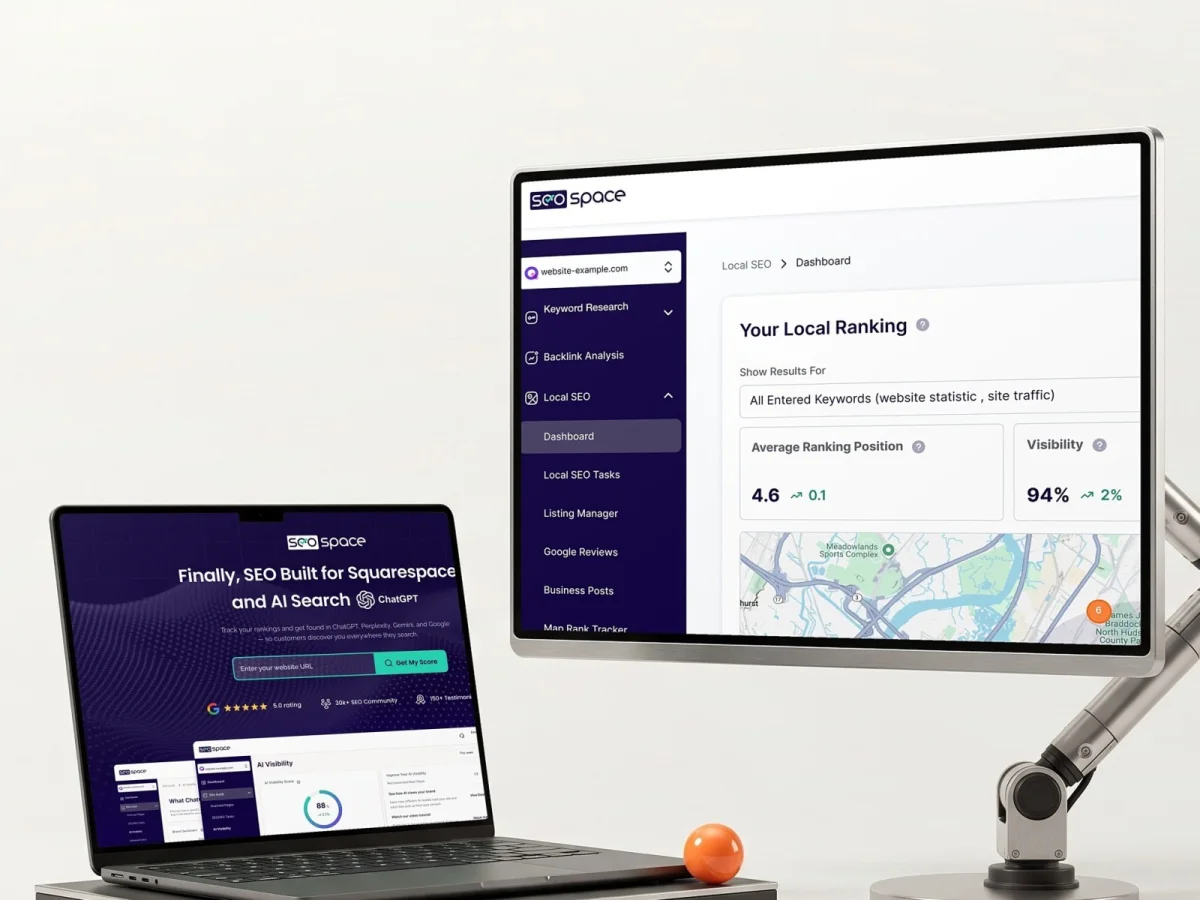
SEOSpace
Each finding in the existing product was paired with a recommendation.
Churn 15% to 7.3%
Client review on Clutch
We’ve grown from around 100 to 30,000+ active users while working with ANODA. We’ve managed to reduce our churn from around 15% to 7.3%.

Tell us where new customers enter and what should count as first value. We will come back with the audit's scope and a realistic start.
One product, one primary segment and one signup-to-first-value journey, agreed before the audit starts.
An onboarding audit examines the path from a new customer's entry point through the first result that demonstrates product value. It reviews the sequence, content, states, permissions, errors, recovery and available evidence around that journey. ANODA calls the focused commercial engagement Activation Audit because the objective is qualified first value, not simply completing setup screens.
We define the eligible segment, entry point, valuable outcome, expected time window and guardrails. Registration, profile completion or a button click may be necessary steps without being value. The definition should represent an observable result that connects to the product promise and can be measured consistently.
The fixed engagement covers one live or beta product, one primary user segment and one signup-to-first-value journey. Related states and recovery paths are included where they affect that journey. Several roles, modules or critical workflows require the broader UX Audit & Improvement Roadmap.
Useful analytics improve the evidence, but unreliable or incomplete tracking does not make the audit impossible. We review the available event definitions and funnel logic, state what can be concluded and document measurement gaps. Instrumentation implementation is a separate scope, and we do not invent quantified drop-off when trustworthy data is absent.
No participant recruitment or moderated research is included in the fixed $5,000 scope. Existing research and customer evidence can be used. If the evidence cannot explain an important behavior, the audit identifies the open question and recommends the appropriate research method rather than presenting an assumption as a finding.
You receive the activation definition, mapped journey, evidence-led findings with confidence and limitations, prioritized fix plan, measurement plan and one recorded team readout. Recommendations name dependencies and separate bounded corrections from larger redesign, research, instrumentation or engineering work.
The focused engagement takes 7–10 business days once access, product context and available evidence are supplied. Missing access, several segments or a request to expand beyond one journey changes the scope and is resolved before work begins.
The approved focused scope is $5,000 fixed. It covers one product, one primary segment and one signup-to-first-value journey. Participant research, instrumentation implementation, high-fidelity redesign and engineering are not included and are estimated separately when needed.
No. Activation Audit is a narrow post-launch diagnosis of one journey to first value. UX Audit examines broader product problems across roles, modules, navigation, workflows, states, accessibility and feature discovery. If the problem is systemic rather than confined to activation, UX Audit is the correct starting point.
The audit itself ends with evidence, priorities and a verification plan. Your team can implement the recommendations, use another partner or request a separate ANODA scope for redesign, research, analytics instrumentation or engineering. The follow-on is estimated with explicit assumptions and is not bundled into the audit fee.
Tell us where new customers enter, what should count as first value and where the journey appears to break.
Message received.
Within 15 minutes, we’ll email you initial feedback and follow-up questions.
Learn how to design financial app onboarding across signup, KYC, funding, first value, failure recovery, trust, and activation measurement.

Discover proven mobile app engagement strategies with ANODA UX. Learn to boost retention, improve metrics, and foster lasting connections. Get started today!