In this article
- The Evolution of UX Design
- Emerging Technologies in UX Design
- User-Centered Design Trends
- Visual Design Trends in 2024
- Interaction Design Trends
- Responsive and Mobile-First Design
- UX Design Process Trends
- The Future of UX Design in 2024
- Where ANODA makes trends useful
- Conclusion: Shaping the Future of UX
This review captures the UX trends discussed in 2024. For a product owner, the commercial question is still practical: which changes help customers complete the job, and which consume a release while the same onboarding and navigation problems remain? Adding AI, immersive effects or a new theme to an unclear journey makes the original problem more expensive. ANODA connects the trend to the customer task, then designs the path that makes your product easier to choose and use.
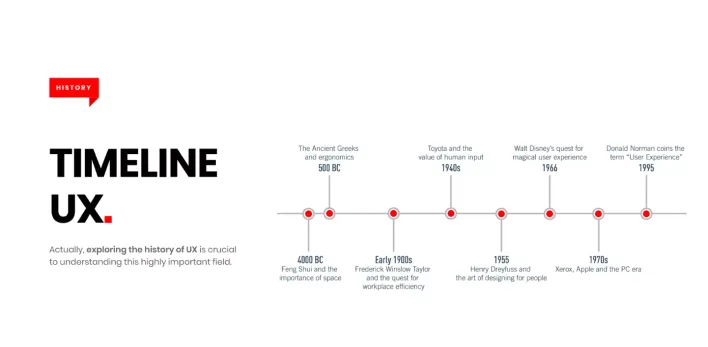
The Evolution of UX Design
UX design brings usability, accessibility and the wider customer journey together. In this 2024 review, the focus is how personalisation, interaction design and emerging technologies can support that journey rather than distract from it.
Source: SLIDESHARE
In 2024, the focus is on delivering personalized and relevant content while adopting new technologies that allow UX designers to push boundaries. Digital interactions are no longer about basic functionality; they are about immersion, emotional connection, and adaptability to individual user preferences.
Emerging Technologies in UX Design
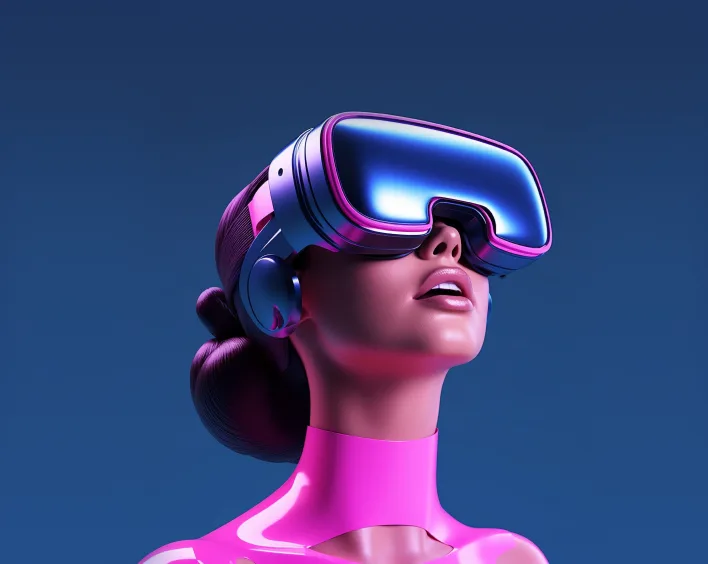
A key driver of change in the UX design industry is the integration of emerging technologies like augmented reality (AR), virtual reality (VR), and Generative AI. These tools are reshaping how users interact with digital products.
Source: ANODA
- AR and VR: Extended reality (XR), incorporating AR and VR, is becoming mainstream, with companies like Ikea, Adidas, and McDonald’s utilizing these technologies to enhance the user experience. Imagine walking through a virtual store or visualizing furniture in your home through an app—these immersive interactions are transforming digital experiences.
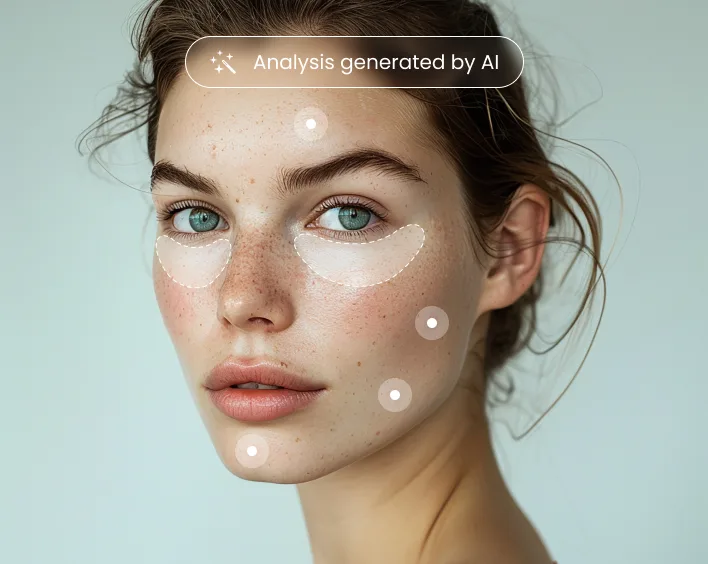
- Generative AI: Artificial intelligence continues to evolve, and in 2024, generative AI will play a critical role in automating the design process. This AI will assist UX designers in crafting more personalized experiences by analyzing user behavior and predicting preferences through machine learning algorithms.
Source: ANODA
With AI-powered tools, designers can deliver more precise and efficient designs, enhancing user engagement and ensuring customer satisfaction.
User-Centered Design Trends
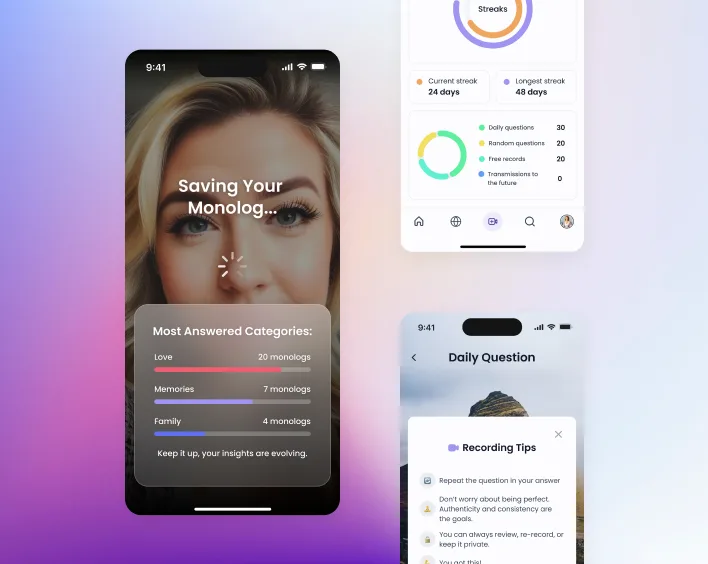
At the heart of every design decision is the user. User-centered design remains a top priority in 2024, focusing on crafting experiences that cater to the needs and preferences of individual users. This design philosophy ensures that digital products not only function but also delight.
Source: ANODA
- Personalized user experiences will be a significant trend, with UX designers creating content and interfaces tailored to specific audiences. This customization helps increase user satisfaction and brand loyalty.
- User feedback will be pivotal, allowing UX professionals to adapt to evolving user expectations and optimize products in real time.
Visual Design Trends in 2024
In the 2024 trend discussion, clean yet immersive interfaces and dark mode were prominent visual directions. A strong theme gives people a choice while preserving readable text, clear controls and a consistent hierarchy in both light and dark appearances.

Source: ANODA
Key visual trends include:
- 3D designs: These will be used to add depth and realism to interfaces, making user experiences more engaging.
- Parallax scrolling and immersive visuals: These will create a dynamic flow, pulling users deeper into the content.
- Minimalistic designs: While simplicity is still valued, visual elements such as gradients and textures will add a twist to otherwise clean layouts.
The goal is to strike a balance between functionality and creativity, delivering seamless user experiences that captivate users.
Interaction Design Trends
In 2024, the way users interact with digital products will continue to evolve. Interaction design will place emphasis on enhancing engagement through micro-interactions and voice user interfaces (VUIs).
- Micro-interactions: Subtle animations and responses to user actions—like a button glowing when hovered over—help create more engaging and interactive digital experiences. These elements add personality and enjoyment to the design, making interfaces more intuitive.

Source: ANODA
- Voice user interfaces: As voice-activated devices like smart speakers gain popularity, VUIs will become more common. This allows users to interact with digital products in a more natural and hands-free manner, opening up new possibilities for accessibility and convenience.
See how ANODA designs for real working contexts in Qarma: desktop tools for quality teams and a mobile inspection experience, connected through clear task flows and a shared UI kit.
Responsive and Mobile-First Design
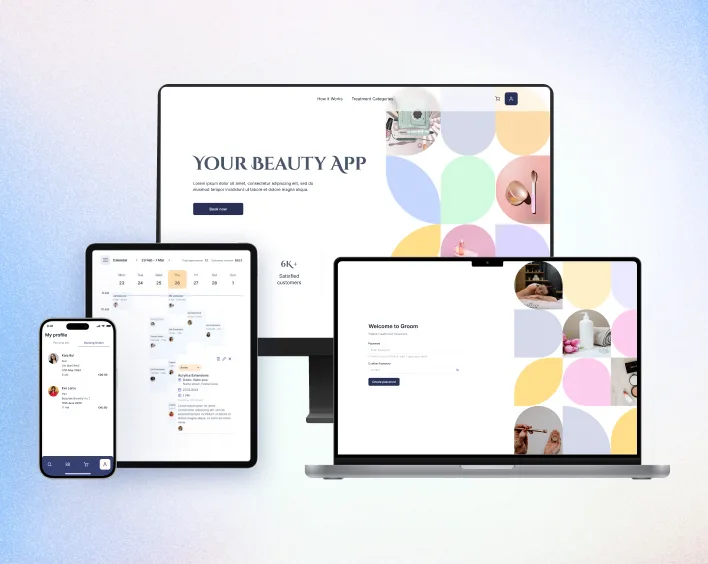
With most people accessing digital content via smartphones, mobile-first design will be more important than ever in 2024. UX designers will need to ensure that their products function seamlessly on smaller screens, maintaining consistency and responsiveness across various devices.
Source: ANODA
- Responsive design: Creating adaptable layouts that adjust to different screen sizes will be crucial. Whether it’s a desktop, tablet, or smartphone, user interfaces need to look and feel consistent to ensure user-friendly experiences.
- Mobile apps: As mobile usage grows, optimizing apps for performance and usability will be a priority. This involves reducing load times, simplifying navigation, and enhancing overall user engagement.
UX Design Process Trends
The UX design process is continually evolving to incorporate new technologies and methodologies. In 2024, we expect several key shifts in how UX professionals approach their work:
- No-code tools: These will allow UX designers to build prototypes and interactive designs without extensive coding knowledge, streamlining the design process and making it more accessible to non-technical team members.
- Usability testing and user research will continue to be essential for understanding user needs and pain points. With real-time data from AI-powered tools, UX designers will be able to gain valuable insights faster and make informed design decisions.
The Future of UX Design in 2024
The future of UX design lies in adaptability, empathy, and innovation. UX professionals will need to stay ahead of the curve by embracing AI, extended reality, and inclusive design practices.
Source: ANODA
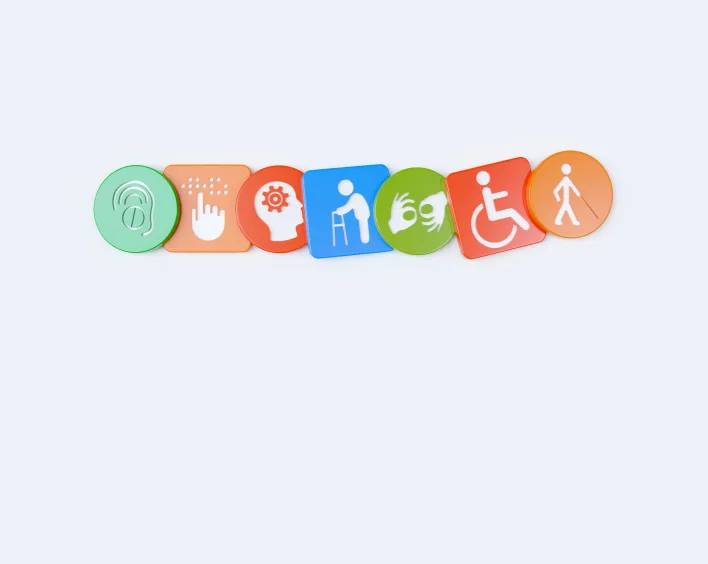
- Inclusive design: Ensuring equal access to digital products is not only ethical but also a necessity in today’s world. Accessibility standards will be a focus in 2024, as designers strive to create products that can be used by everyone, regardless of ability or disability.
- AI-driven UX: The incorporation of generative AI and AI tools will continue to streamline the UX design process, enabling designers to focus on creativity and user engagement. This shift will empower UX designers to deliver more innovative, personalized interfaces that adapt to individual users in real time.
Where ANODA makes trends useful
Qarma needed quality teams to plan and review work on desktop while inspectors completed checklists, captured defects and produced reports on mobile. ANODA designed these connected workflows, along with the UI kit, style guidance and marketing-site visuals. The task determined the interface; the trend supported it.
For your product, we identify where customers lose their way, map the complete journey and turn the chosen direction into wireframes, UI and a practical handoff. The outcome is a product built around the work people came to do, with room for innovation that strengthens that work.
Conclusion: Shaping the Future of UX
The 2024 trend discussion showed why UX design continues to be a dynamic and exciting field, driven by technology and a deep understanding of user behavior. From augmented reality and AI-powered tools to responsive design and personalized experiences, the future of UX is bright, creative, and ever-evolving.
For UX designers, staying informed about these UX design trends is essential to creating impactful, engaging, and future-ready products. The key to success lies in embracing innovation while keeping the user at the heart of every decision.

Choose the changes your customers will feel
Bring ANODA the trend ideas competing for your next release. We will connect them to the journey that needs attention and design the flows, states and UI that make the release count.
Frequently asked questions
How will UX design in 2024 help guide users?
In 2024, UX design will focus on creating intuitive user interfaces that guide users seamlessly through digital platforms. This involves using design elements like clear navigation, micro-interactions, and emotional design to create smooth and engaging journeys.
What are the key aspects of UX design that create experiences?
Key aspects such as accessibility, personalization, and inclusive design will shape how UX designers create experiences that resonate with users. These experiences are crafted with user empathy and data-driven insights to ensure a balance between functionality and emotional appeal.
Why is critical thinking a crucial aspect of UX design?
Critical thinking is a crucial aspect because it helps UX designers make informed design decisions. It allows them to approach problems holistically, evaluate ux trends, and predict how users will interact with the product.
What skills do UI and UX designers require to stay relevant in 2024?
Both UI designers and UX designers will need skills in artificial intelligence, virtual reality, design tools, and web design to stay competitive. These skills are essential to meet the demands of the tech industry and deliver user-friendly products.
What role will artificial intelligence play in design decisions?
Artificial intelligence will help enable designers by automating aspects of the design process, providing ux research insights, and predicting user behavior. It will support design decisions by optimizing user interfaces for seamless user experience.
What is the future of inclusive design in 2024?
Inclusive design will continue to grow in importance, with further integration of accessibility features. The goal is to provide equal access to digital products for all users, ensuring that designs cater to diverse needs and abilities.
How will dark mode impact UX trends in 2024?
Dark mode was a prominent visual option in 2024. Its product value comes from giving users a choice while keeping content, controls and contrast readable in both light and dark appearances.
Why is user research essential for a successful UX strategy?
UX research is vital for understanding how users interact with products, their needs, and preferences. It provides valuable insights that inform the ux strategy, ensuring that designs are aligned with user expectations and market trends.
How will UX design trends shape virtual spaces?
In 2024, virtual spaces will benefit from ux design trends that incorporate virtual reality and AI. These technologies will create immersive environments, enabling tech companies to offer innovative solutions for collaboration, entertainment, and education.
How can UX designers ensure a seamless user experience?
UX designers can ensure a seamless user experience by focusing on clear user interfaces, fast load times, and consistent navigation across devices. Adopting ux trends like responsive design and emotional design will further enhance user satisfaction.
Written by