MVP UX Design: Build the Smallest Product That Can Teach You
Learn how MVP UX design turns a product hypothesis into a usable, testable experience through focused research, prioritization, prototyping, and iteration.
Design the smallest version of your product that proves its core value — one journey done well, prototyped, designed and ready for your engineers to build.

A small first release, designed in full, so it can be built and learned from.
Decides what the first release should be.
MVP Design
Designs that release, ready to build.
Not included
Four pieces, each built on the one before.
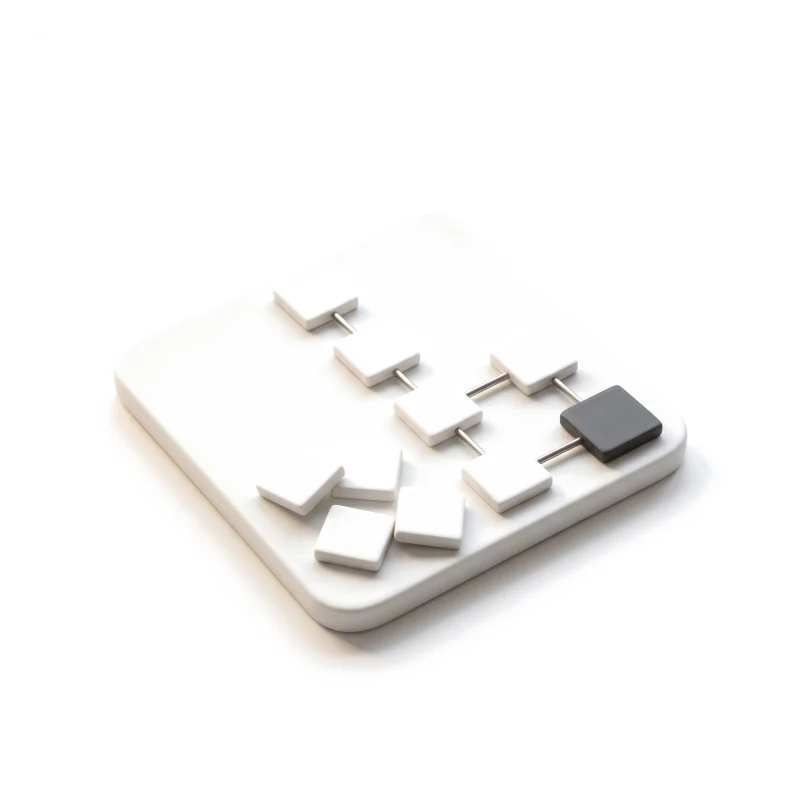
The core journey, the screens it needs and what waits.
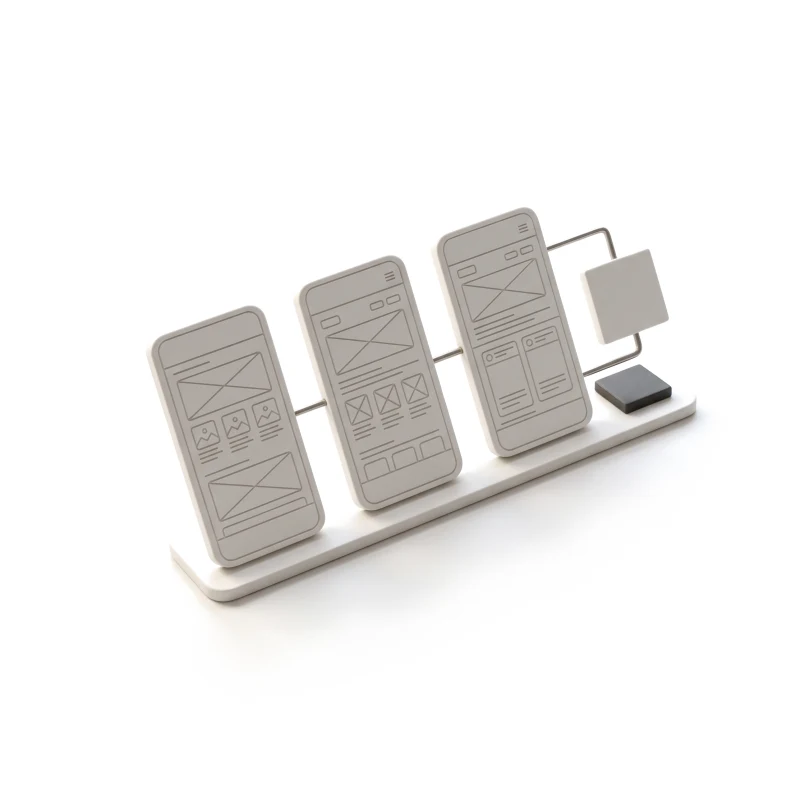
Every step of the journey, failures included.
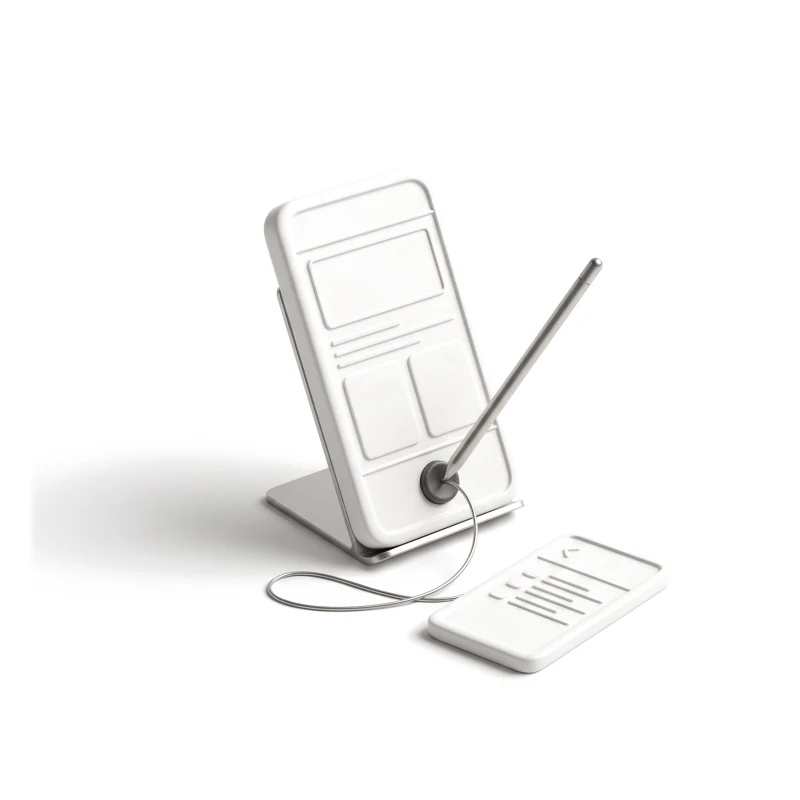
The core journey, ready to try with real users.
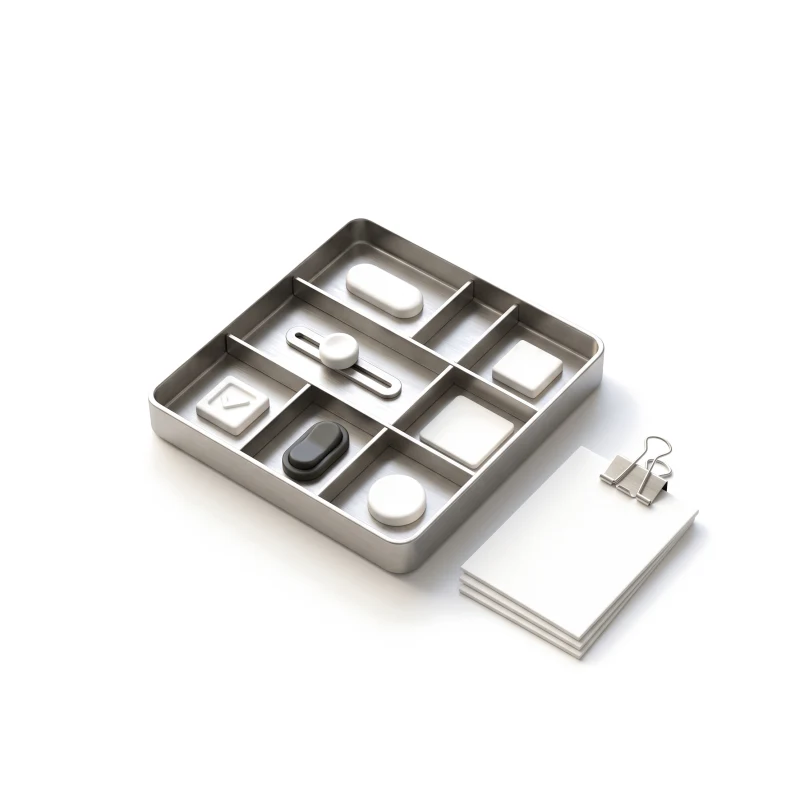
Screens, states and components, ready to build.
You receive
In MVP design the product is small on purpose, not half-done. Every screen it has must hold up the first time real people use it.
From a blank canvas to a first release, and the website that launches it.
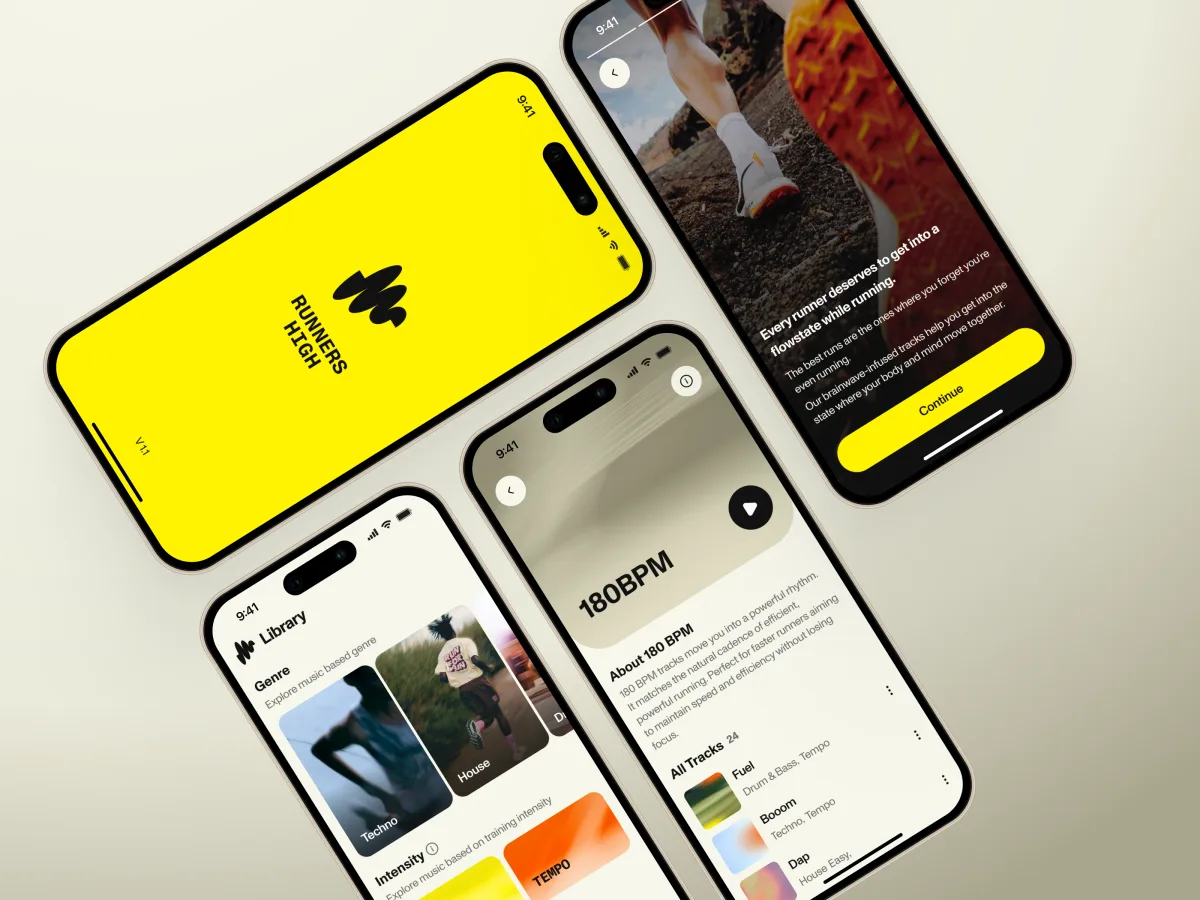
Fitness · Music · iPhone
Designed an iOS running app from a blank canvas to an MVP — flows, wireframes, UI and a design system, a clickable prototype and a screen map — plus the website that launches it.
It fits when you know what the first release is for and need it designed to be built. Four signs it is the right step now.
You know the problem the product solves and for whom, even if the feature list is still long.
You need the smallest version that works, not a full product designed up front.
A founder or product owner will decide what waits for later, and hold that line.
An in-house team or a partner will develop the first release from the design.
Tell us what the product is for and what the first release has to prove. We will come back with a useful scope and a realistic next step.
Scope, deliverables and the review rhythm are agreed before we start.
The work gave the running-app concept a consistent product and marketing direction. We appreciated the connection between the listening experience, the proposed running flows and the way the service is introduced on the website.
Tell us what you are building, for whom, and what you already know about the first release.
Message received.
Within 15 minutes, we’ll email you initial feedback and follow-up questions.
Learn how MVP UX design turns a product hypothesis into a usable, testable experience through focused research, prioritization, prototyping, and iteration.
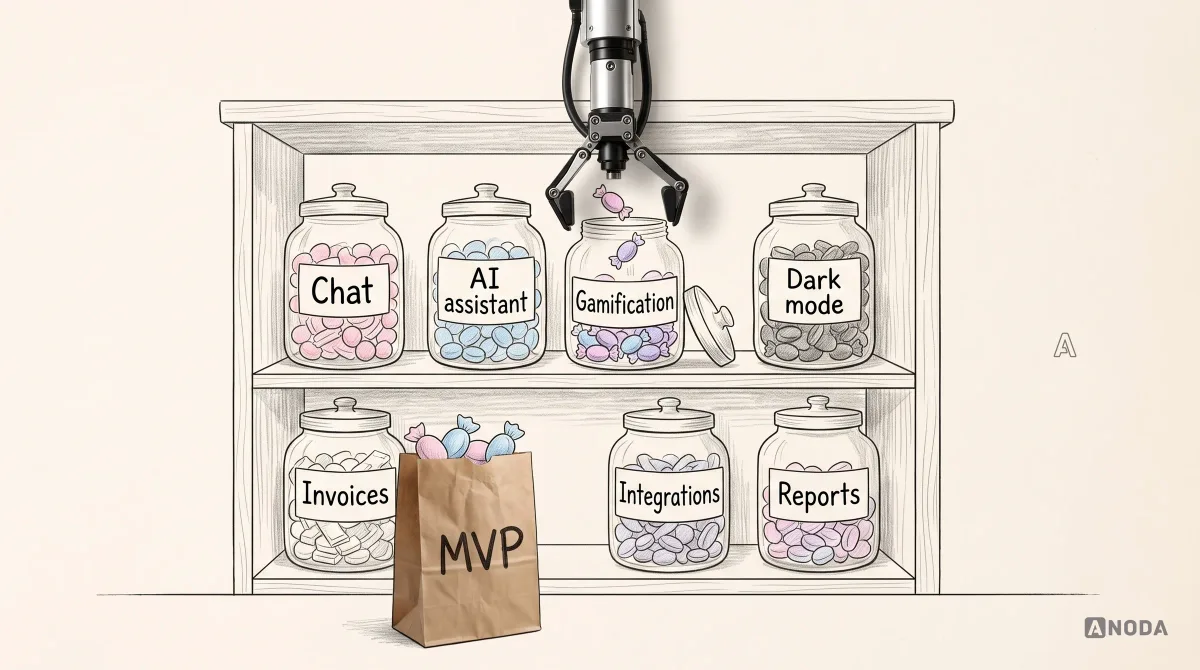
How To Build An MVP App: practical guidance, examples and decision criteria from ANODA. Learn how the topic applies to your product and team.
Look for a team that has taken a product from a blank canvas to a design engineers actually built from. Ask to see the flows, states, prototype and handoff behind the screens, how they decided what stayed out of the first release, and who on their team did the work. A good team will also tell you plainly what it would cut from your plan, and why. For Runners High, a running app, we designed an MVP of 86 unique screens with a clickable prototype and a screen map for the developers.
Good MVP design services include cutting the scope to one core journey, the structure and flows, wireframes, a prototype you can test, and UI with its states and a handoff engineers can build from. Cost depends on how many journeys and roles the first release needs, whether it runs on phone, web or both, how much is already decided, and how many review rounds your team wants. A first release for one role on one platform is a very different job from one that serves buyers, sellers and an admin on phone and web.
MVP UX design starts with the release map: the core journey, the screens it needs and the features that wait. Then come user flows and wireframes, including errors and empty screens, a clickable prototype of the core journey, and the UI with every state and a starter set of components — enough for a small team to build the release and extend it later without a redesign. Accessibility and layouts for small and large screens are part of the work from the start.
Start with MVP design when you can say what the first release must prove and for whom. If that is still open, begin with Product Discovery, which tests the idea with users and sets the scope. If the product is already live and something is failing, a UX Audit comes first. If the flows are settled and only the interface needs work, UI Design fits better. Many teams do both in turn: discovery settles what to build, and MVP design shapes how it works.
The idea and the value the first release must prove, whatever you already know — discovery results, research, competitors or a feature list — a founder or product owner who can decide what waits, and contact with the team that will build it, so their stack and constraints shape the design early. If the first release is not yet defined, Product Discovery can settle that before design begins.
An organised design file with every screen and state, a clickable prototype, a screen map that shows how the screens connect, component specifications, and walkthrough sessions with your engineers. Each screen is annotated with its states and behaviour, so nobody has to guess what happens on an error or an empty list. The design belongs to your team at handoff, to build with us or anyone else.
By the journeys and roles in the first release, the platforms, how much evidence and design already exist, and the review rhythm. We set a custom scope and estimate in the proposal, fixed or phased, and agree the timeline once scope, access and dependencies are clear. Keeping the first release small is the main lever on both: every journey that waits for a later release is design time you do not spend now.
Development, launch, backend work, marketing and user research beyond prototype reviews. We also do not promise traction, sign-ups or investment: the design gives your first release a clear shape, and the market decides the rest. Each of these can be scoped separately, with us or with your own partners, once the first release is designed and you know what it needs.