
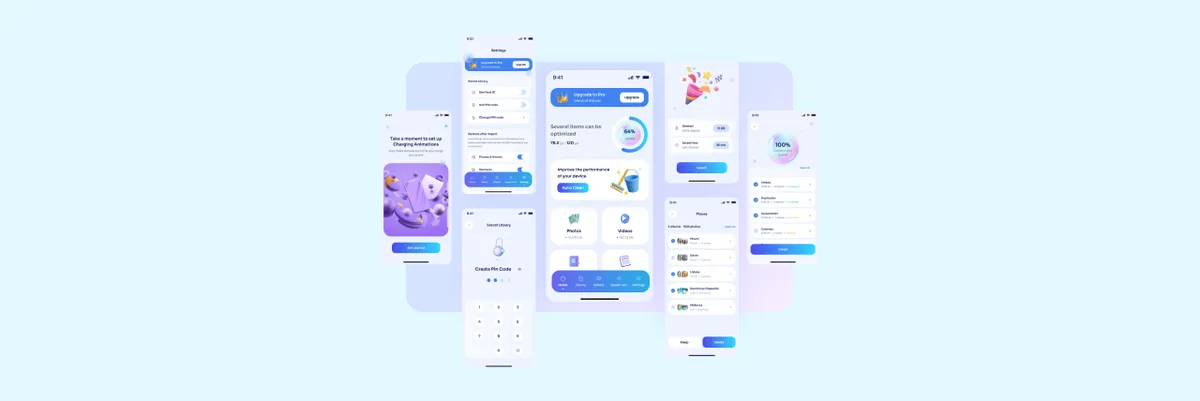
A Comprehensive Guide to the App Designing Process
Learn the complete app design process, from research to launch. Create user-friendly mobile apps with ANODA UX Agency. Explore our expert guide today!
Design the app pet owners open for everything around their animal — profiles, places nearby, other owners, and the sitters, walkers and groomers they trust — built around the pet, not only the person.

Pet products built around the animal, and every person who looks after it.
The marketing site that sells the product.
Pet Care & PetTech Design
The product owners use every day.
Not included
Pets squeezed into a person's profile, care nobody can find nearby, a community that turns sour, sitters owners cannot trust yet — and how we would design around each.
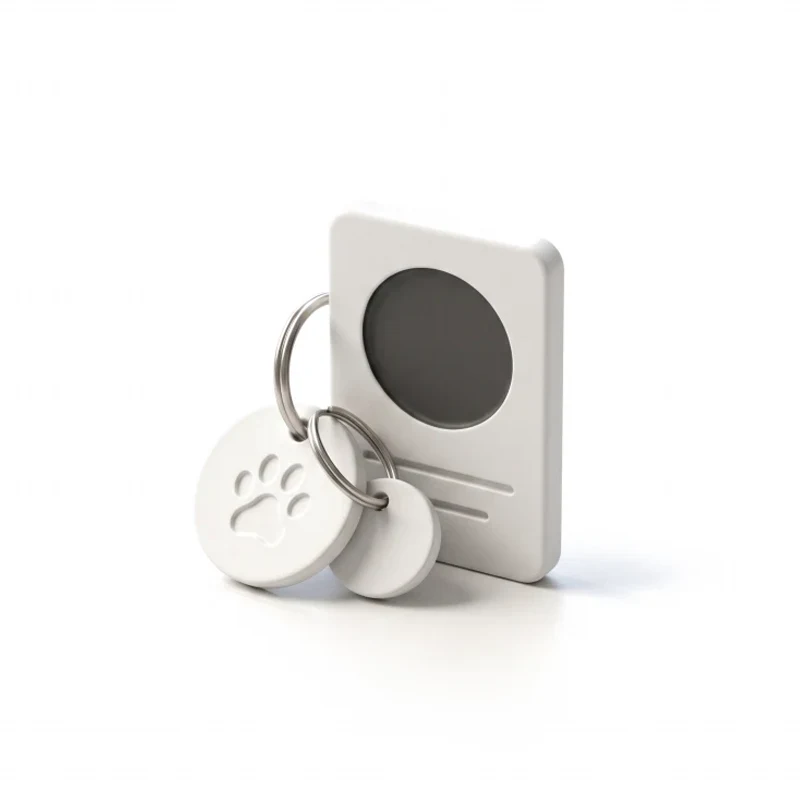
Several animals per owner — breed, age, needs, photos — shared with a partner or a sitter.
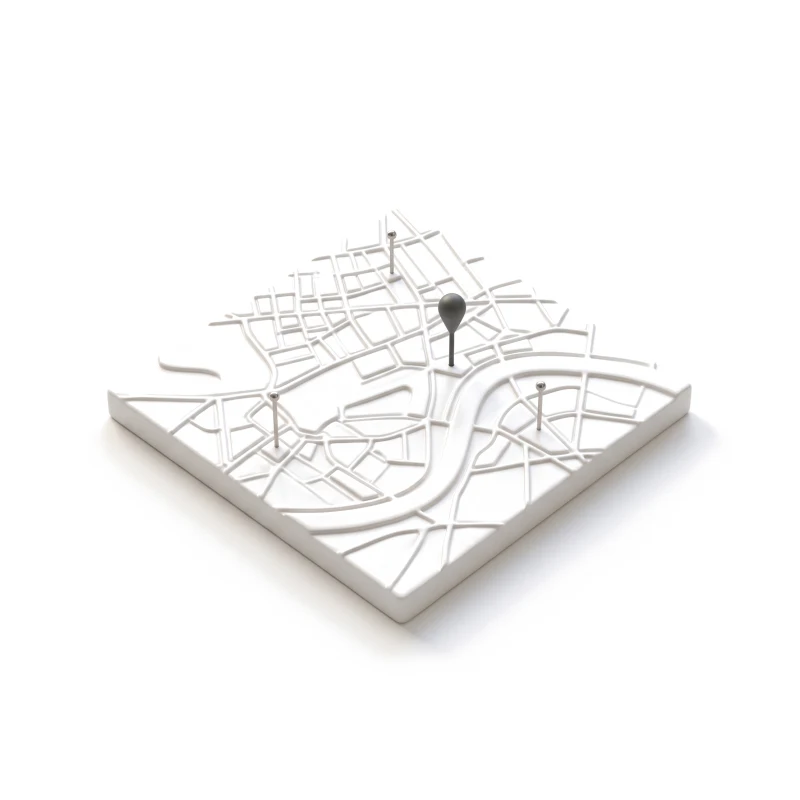
Parks, cafés, groomers and clinics on a map, filtered by the animal in front of you.
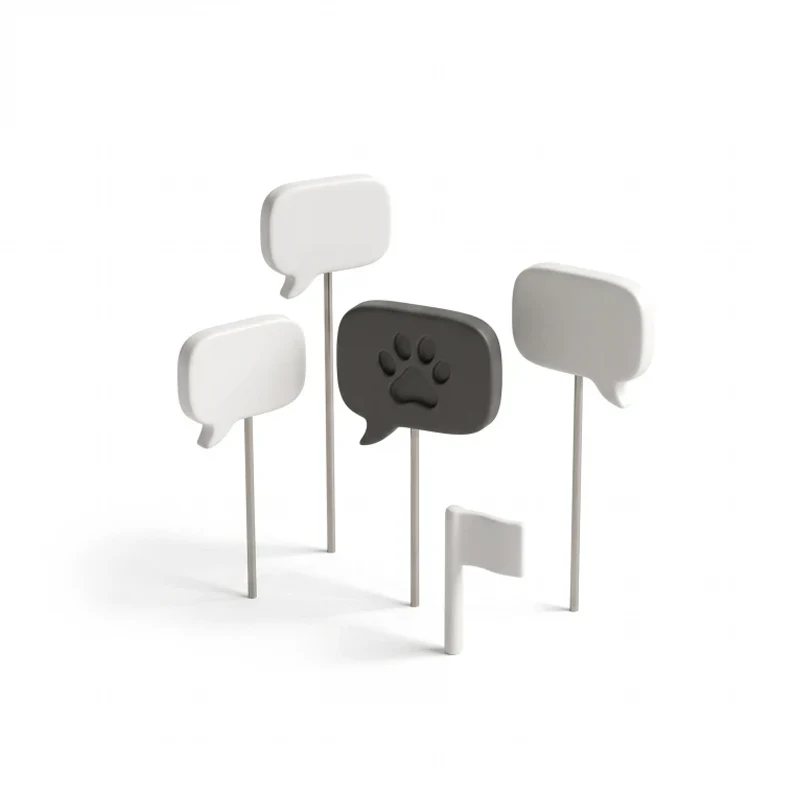
Posts, local groups and meet-ups, with reporting that works before a thread turns sour.
Provider profiles, reviews, availability and live updates while the dog is out.
You receive
Pet care app design is full of moments a generic app forgets — three dogs on one account, a walk with no signal, a pet that has died. We design each of those screens to treat the owner, and the animal, gently.
It fits when the pet, not only the owner, needs a profile, a history and people who look after it.
Pets are records of their own, not a field on the owner's account.
Owners and the sitters, walkers, groomers or clinics they rely on.
Local groups, meet-ups and advice from people with the same breed or worries.
Nobody hands over their dog to a stranger on a whim.
A different starting point

Owners, sitters, groomers, clinics: say who uses it and where they stop. We'll come back with the part of the product we'd tackle first, and why.
Owner, pet and provider screens in scope, and the review dates, come from the proposal of the service you pick.
Tell us about the product and where owners drop — at sign-up, before the first booking, or after the first post.
Message received.
Within 15 minutes, we’ll email you initial feedback and follow-up questions.
Learn the complete app design process, from research to launch. Create user-friendly mobile apps with ANODA UX Agency. Explore our expert guide today!
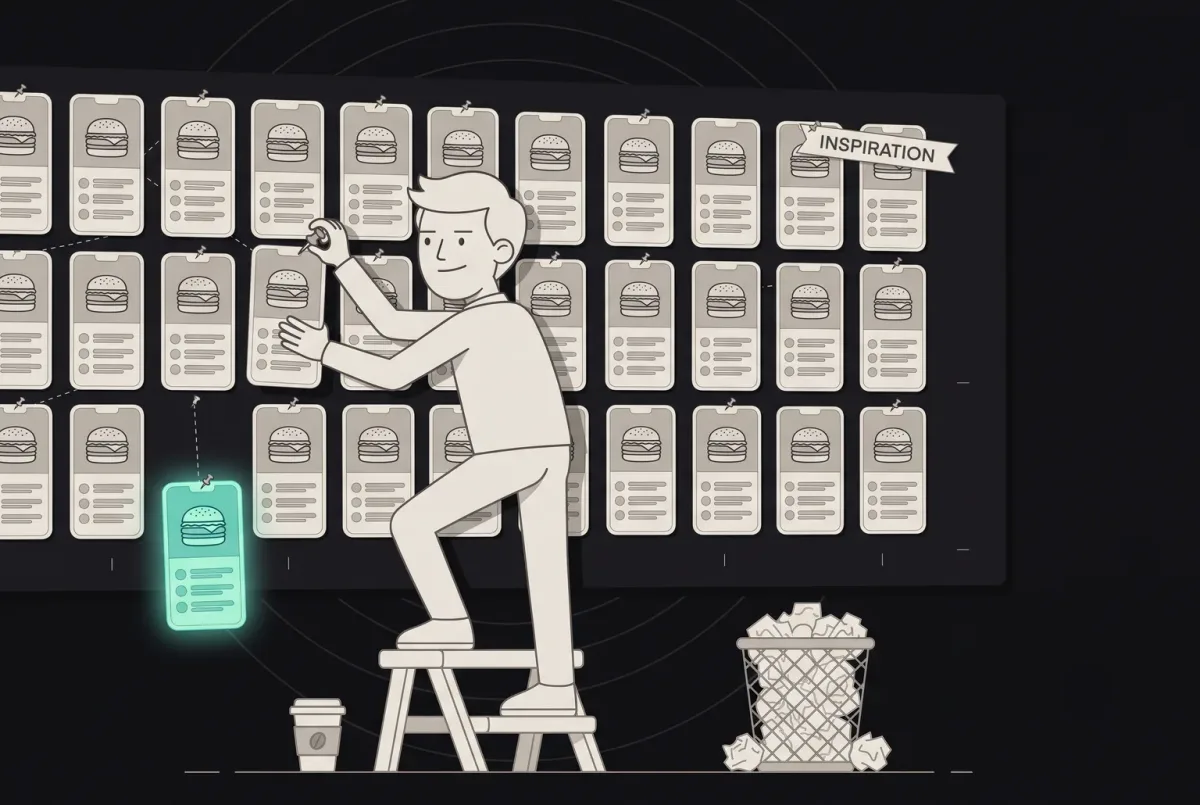
Explore mobile app design ideas, trends, and inspiration. Create user-friendly, visually stunning apps with ANODA UX Agency. Start your next project today!
Ask to see how a team models the animal, not only the owner — several pets per account, a profile shared with a sitter — and the states a showreel never shows: a cancelled booking, a walk with no signal, a reported post. Ask what shipped and what stayed a concept, and who you would be working with. A partner worth hiring will separate product design from the marketing website and brand, and say which one you are looking at. Ask, too, how they design for the owner who loses a pet: it shows how much care went into the rest.
Owner and pet profiles, discovery, community, provider booking, messages and settings, each worked through its awkward states, with a prototype owners can try, the UI and specs for your developers. Cost rises with each extra role, a separate provider app or dashboard, live tracking on walks, and redesigning an app owners already use. Provider booking or the community on its own is a smaller job than everything at once. The proposal for your chosen service fixes cost and dates.
Owners with one pet or several; partners and family who share them; sitters, walkers, groomers and clinics who care for them; and the moderators behind the community. It starts at sign-up and the first pet profile and runs through finding places and care nearby, booking and following a walk or visit, posting and meeting other owners, reminders, and the rare, hard moment a pet dies. Some products add shelters or clinics with their own tools, and each side still sees only what it should.
A full product for owners, pets and providers goes through UI/UX & Product Design; a first release that only has to prove one city or one type of care fits MVP Design. When a live app loses owners, a UX Audit comes before anything else. Owners' phone screens fall under Mobile App Design, and a provider back office under Web App Design. Community Platform Design and Booking App Design go deeper on those two halves. A marketing website or brand is separate work.
Only what the screens show and ask; we are not certifiers. We design where care information appears and who wrote it, how providers show checks and reviews, what an owner shares with a sitter, how location during a walk is shown and stopped, and how the community is reported and moderated. Where owners share photos of their home or daily routine, we design what stays private by default. We do not give veterinary advice or vet providers, and we cannot confirm the product meets consumer or privacy law — your vets and legal advisers decide that.
A product lead who can decide, a test build stocked with sample owners, pets and providers, and your rules for how providers join and how the community is moderated. Store reviews, analytics and support themes help, and so does an early talk with engineering about booking, walk tracking and messaging. If providers are checked through a vendor, we need that flow too.
We do not have a published pet-care case study yet, so we will not present one here. On a call we can walk you through the pet-product work we are able to share, and point to a published case with the same pattern — two roles meeting in one discovery app in Glimix. That case shows the design approach, not results for a pet product.
Yes. Many pet products are live, with owners and providers relying on them every day. We use your design files and component system, work beside your designers, engineers and community team, and hand everything over. Where owners already love a feature — a feed, a map, a reminder — we keep it where they expect it. A change that could catch a sitter mid-booking is rolled out on a plan agreed with your team.