Responsive Web Design Best Practices for Product Teams
Learn responsive web design best practices for fluid layouts, breakpoints, images, accessibility, performance, and testing across real devices.
A marketing website that explains what you sell and makes the next step easy to find — planned, designed, built and launched on a platform your team can run.

A website that explains what you sell, built on a platform your team can run.
Designs the product people sign in to.
Website Design
Designs and builds the site that sells it.
Not included
Each piece is built on the one before it, and all of it stays yours.
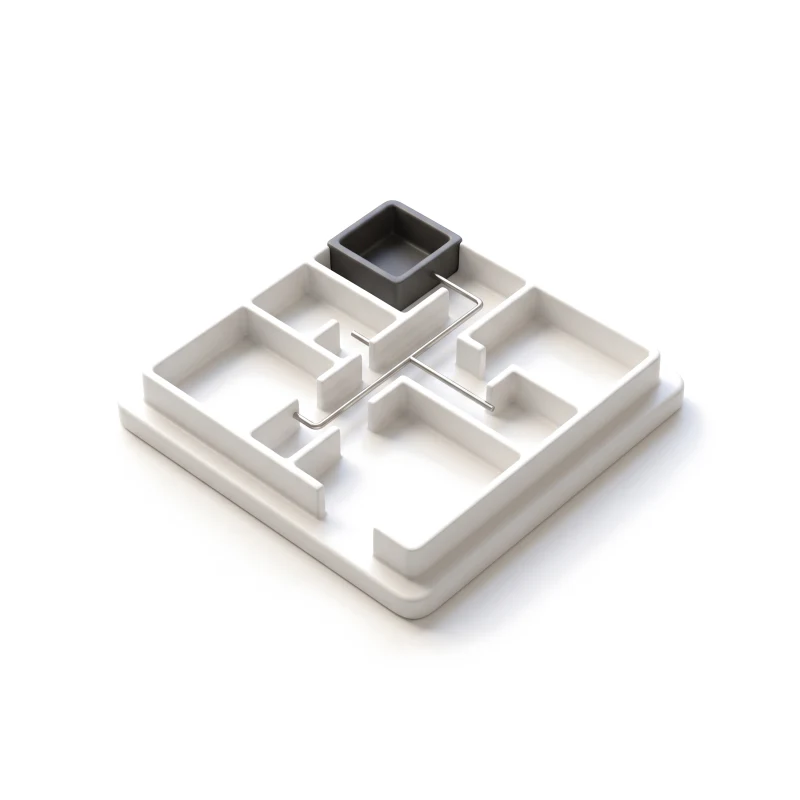
Pages, navigation and the route from each page to an enquiry.
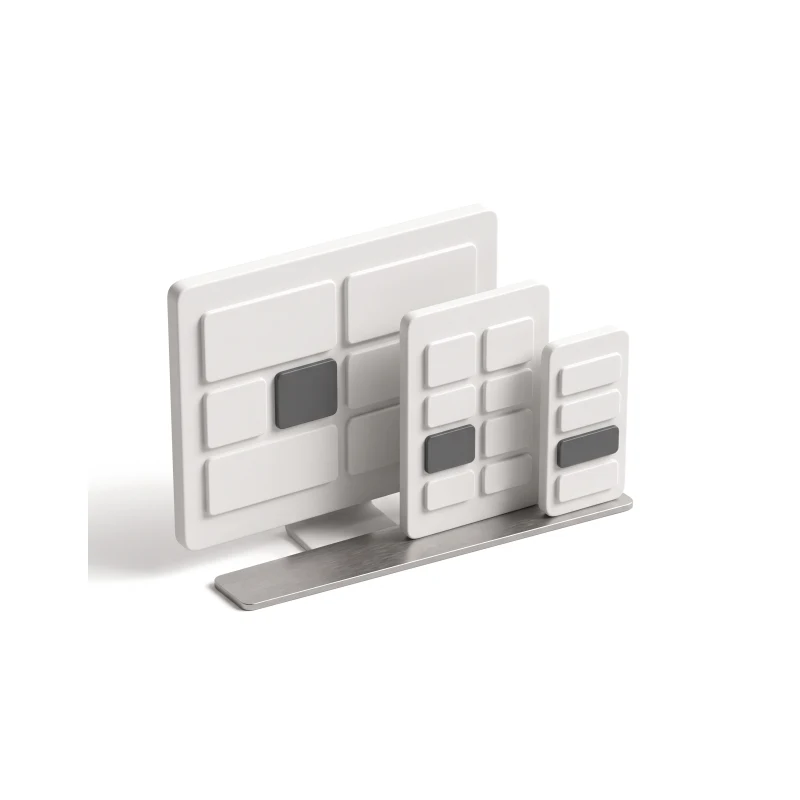
Real content, laid out for phone, tablet and desktop.
Collections and page blocks your editors can reuse.
Tested, redirected, published and handed to your team.
You receive
Before any website design and development starts, we agree what we build, what stays with you and your providers, what must be ready, and what the launch is checked against.
Audiences, their questions and the pages that answer them, each with one next step. Needs Current pages, key messages and who approves copy.
Done when Every audience has a page and every page one next step you have approved.
Key pages with real content first, then the rest from the same blocks. Needs Logo, colours and type — or a brand project first.
Done when The approved designs hold at every breakpoint, with the accessibility level agreed in writing.
Templates and the CMS first, then pages in slices you review as they land. Needs A platform preference, or the editing needs that will decide it.
Done when Pages meet the page-speed budget and your editors can change them without breaking a layout.
Forms and tools wired in, old URLs redirected, checks run, then publish. Needs Access to the domain, the tools the site connects to and the URLs that bring visitors in.
Done when Forms reach the right inbox, every old URL redirects, and the old site stays until you sign off.
ANODA builds
Your team owns
Platforms and tools provide
Marketing sites and a store, from structure to a live build.
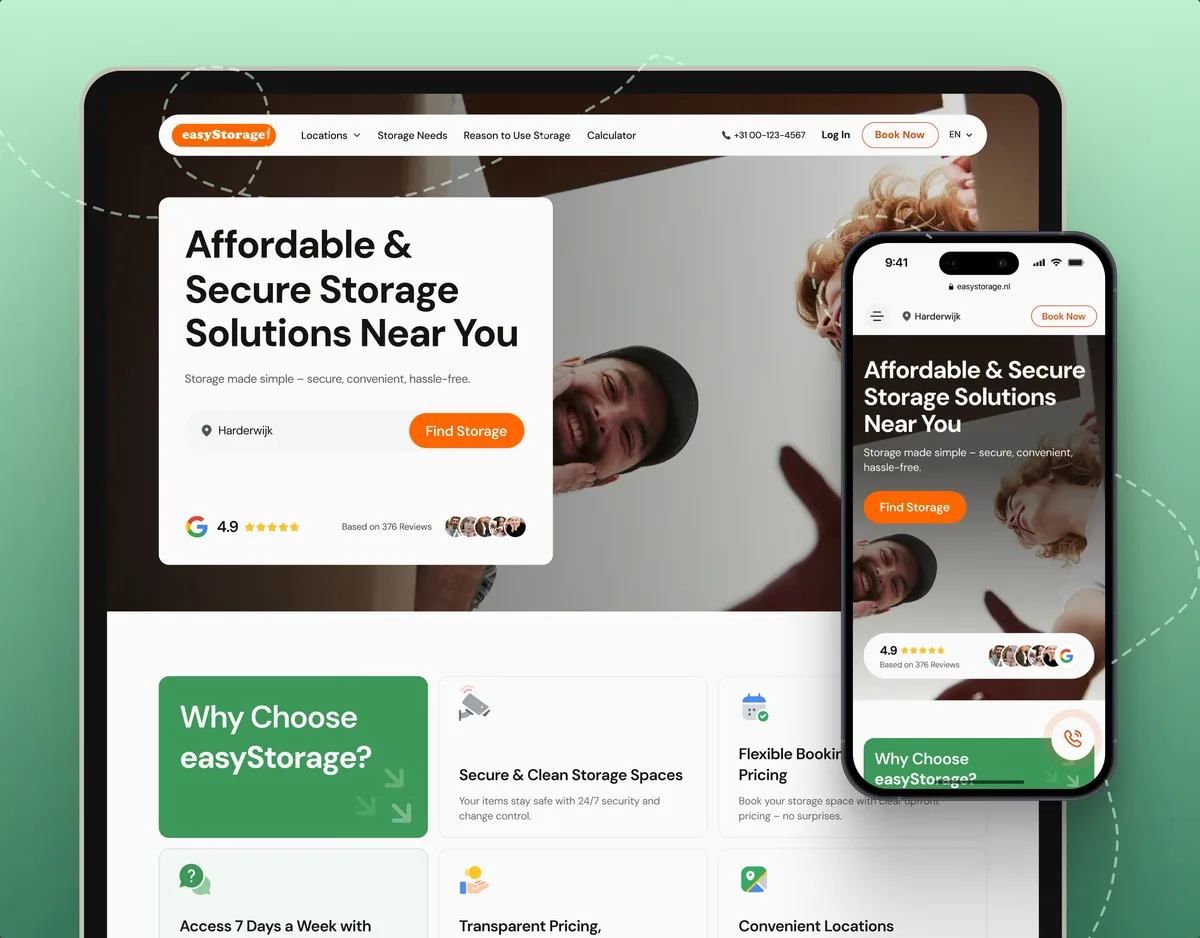
E-commerce · Website
Designed and built easyStorage NL’s website in Webflow, where people find a storage location before they book a unit.
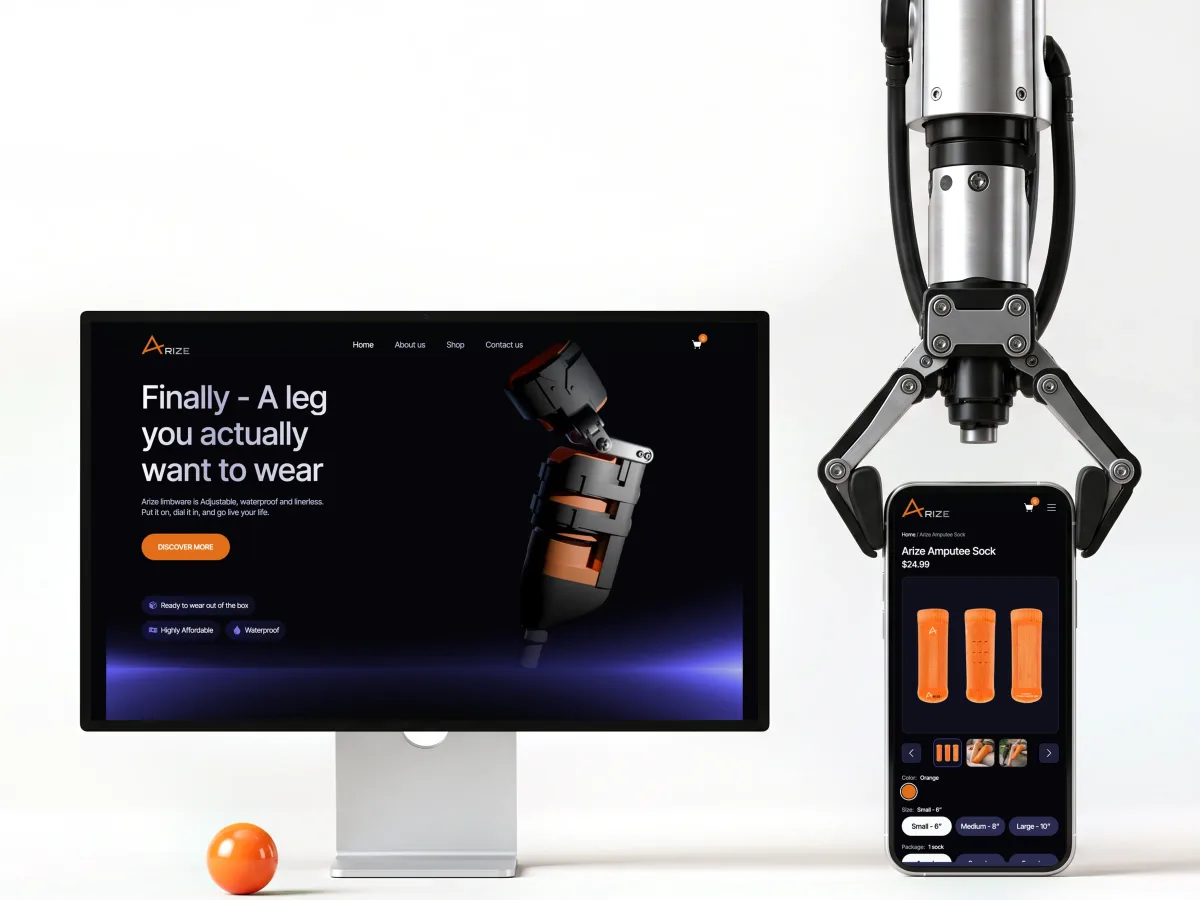
Healthcare · Product website and store · WordPress
Researched, designed and built Arize’s website and WooCommerce store: the prosthetic leg told in 3D as the visitor scrolls, the amputee sock on sale, checkout and the analytics behind the funnel.
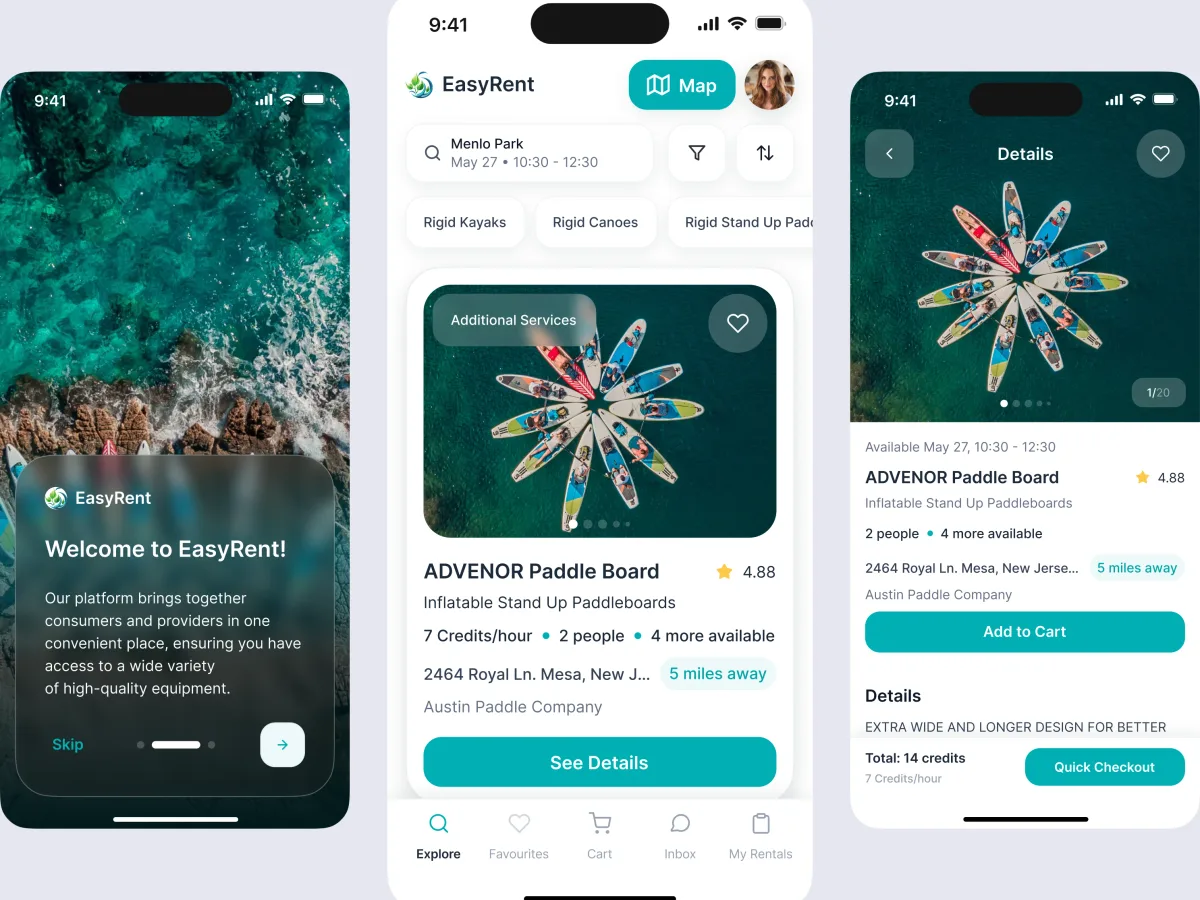
Marketplace design · Water sports
Designed and built an outdoor-gear rental marketplace, brand included, through to launch.
It fits when the site itself is the problem. Four signs it is the right step now.
Visitors ask what you do, or leave before they find out.
A launch, a new market or a new identity needs a site to carry it.
A new page or a price update waits in someone else's queue.
One person approves the structure, the content and the platform.
Tell us what you sell and what the site has to do. We will come back with a useful scope and a realistic next step.
Scope, platform and the review rhythm are agreed before we start.
The website design brings the storage offer and booking steps into a more consistent experience. We appreciated the attention to how someone moves from understanding the service to choosing an option, with the account-related screens considered as part of that journey.
Tell us what you sell, who the site is for, and what it runs on today, if it exists.
Message received.
Within 15 minutes, we’ll email you initial feedback and follow-up questions.
Learn responsive web design best practices for fluid layouts, breakpoints, images, accessibility, performance, and testing across real devices.
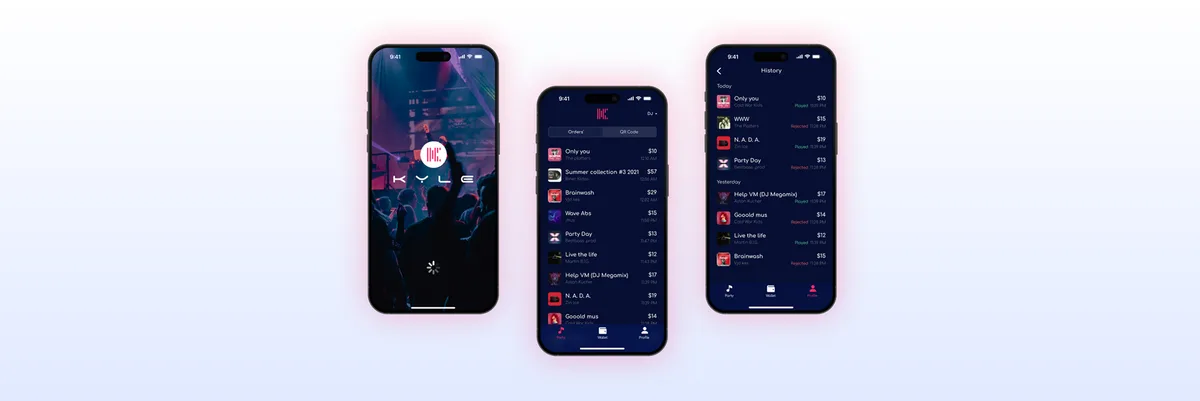
Choosing between mobile and responsive design? Compare usability, SEO, and conversion benefits. Get expert guidance from ANODA UX Design Agency. Optimize today!
Ask to see live sites the team built, not only designs, and ask who did which part. Check how they handle content, the CMS your editors will use, redirects from the old site and accessibility. Be wary of proof that mixes the two: a design case is not a build.
The site architecture and conversion paths, page designs for phone, tablet and desktop, the build with its CMS and forms, and launch with redirects and checks. Cost and timeline depend on the number of page types, how much content exists, the platform, the tools the site connects to and how many review rounds you need. We set a custom scope and estimate, fixed or phased, and agree the timeline once scope, access and dependencies are clear.
Start here when the site itself has to change: marketing website design, the build and the launch in one engagement. If the brand is not defined yet, start with Brand Identity Design. If you need software people sign in to, you need UI/UX & Product Design. If the site exists and you do not know why it underperforms, a UX Audit comes first. If the design is approved and only needs building in Webflow, Webflow Development is enough.
The one that suits the people who will edit it. We weigh who publishes, how often, what content repeats and which tools must connect. Webflow suits marketing teams who edit without developers, WordPress suits editors already working in it, Framer suits a design-led site the design team maintains, and a coded site suits content that must load fast with little script. The choice is agreed before the build.
Yes. B2C website design puts more weight on the first screen, imagery, mobile layouts and a short path to buying or booking, because most visitors arrive on a phone and decide quickly. The structure, CMS and launch work stay the same as for a business site.
A person who can approve the structure and the launch, your brand assets, the current pages and messages, and access to the domain and any tools the site will connect to. If the site replaces an old one, the list of its pages and the URLs that bring visitors in.
The live site on your own accounts, the design file, the CMS set up with its collections and page blocks, and a walkthrough for your editors. After launch we can add pages, test key paths with visitors or extend the site into a next phase, each scoped separately.
By the number of page types and audiences, how much content exists or has to be written, the platform, the forms and tools the site connects to, and whether old URLs have to be carried over. We set a custom scope and estimate in the proposal, fixed or phased, and agree the timeline once scope, access and dependencies are clear. Structure comes first in every plan, because it decides how many pages there are to design and build.
Yes: easyStorage NL’s website, live on Webflow; Arize’s website and WooCommerce store; and EasyRent, a rental marketplace built through to launch. On your project, the site map and the first key page are the first things you see and approve, before the rest of the site is designed and built.
Web apps with logins, a new brand identity, copywriting at scale, photography, paid media and SEO campaigns. Hosting, domain and third-party fees stay with your accounts. We do not promise traffic, rankings, uptime or security beyond the criteria agreed in writing.