
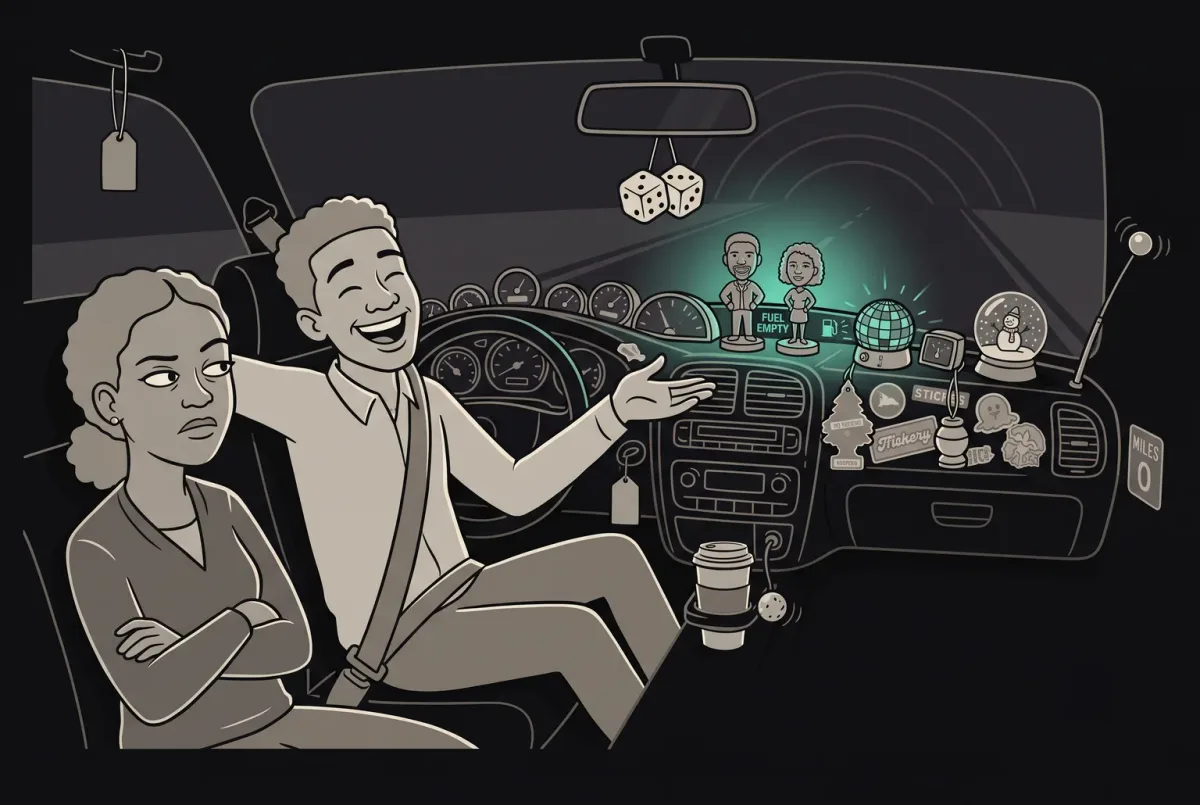
The Ultimate Guide to Dashboard Design: Creating Visually Appealing and Functional Dashboards
Learn dashboard design with ANODA UX Agency. Craft functional, stunning dashboards with intuitive layouts, dynamic features, and clear visualizations.
Design lottery products people can actually read — every game, its prize tiers and its odds, taken from your data and shown in plain terms — so players compare games on the facts, not on the loudest banner.

Lottery information people can compare, with the odds explained, never promised.
What one screen of metrics should say.
Lottery Product Design
How players read, compare and follow games.
Not included
Four points where players misread a game, and the design work that makes each one plain.
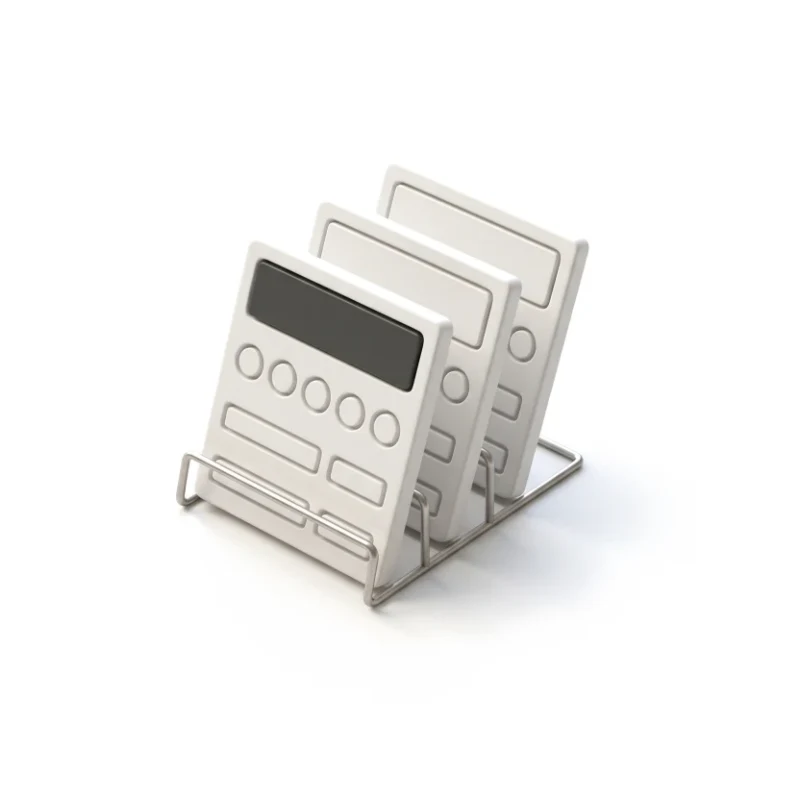
Price, top prize, prize tiers and odds in the same place on every card.

Games side by side, sorted by the facts a player chooses.

Tables and charts that say what a number means and where it came from.
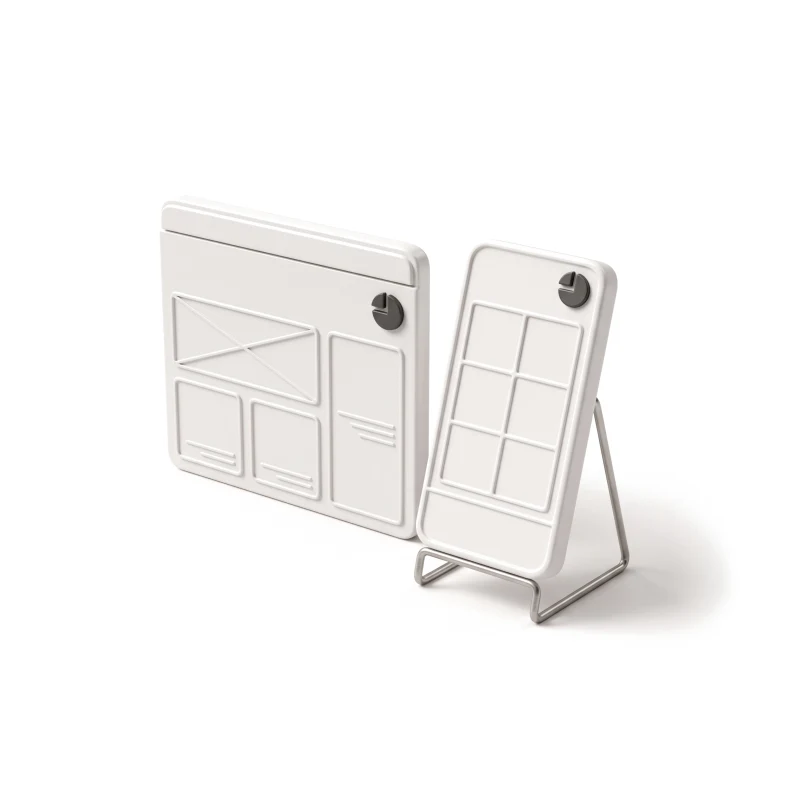
Cards, tables, filters and alerts built from the same parts.
You receive
Lottery UX design lives in the gap between a number and what a player thinks it means. In every state below, the screen tells the player what the number shows, where it came from, and what it cannot tell them.
It fits when players need facts to choose, and the data behind them is yours.
Players struggle to tell games apart beyond the price.
Odds, prize tiers and prizes left confuse even regular players.
Official game data or your own feed arrives on a known schedule.
Your team or advisers approve how odds and prizes are described.
A different starting point

Tell us which games your product covers and where players get confused. You will hear which game screen we would start with, and under which service.
A lottery product is taken on through a single service first, and that proposal is where the terms are agreed.
Tell us what your product shows — games, prizes, odds, results — and where the data comes from.
Message received.
Within 15 minutes, we’ll email you initial feedback and follow-up questions.
Learn dashboard design with ANODA UX Agency. Craft functional, stunning dashboards with intuitive layouts, dynamic features, and clear visualizations.
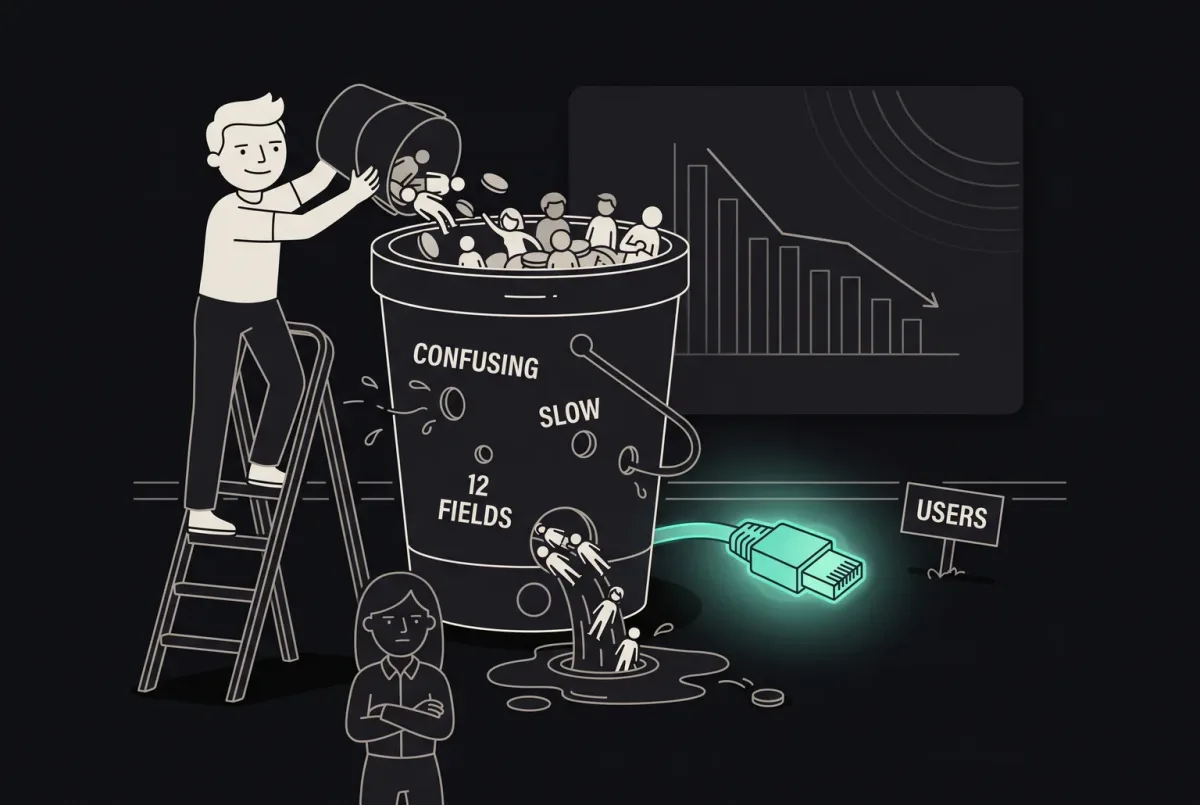
Boost mobile conversions with top UX design practices. Improve usability, user retention, and engagement. Learn how at ANODA UX Agency. Start optimizing today!
A team that treats lottery app design as information design. Ask to see game cards, comparisons and prize tables, how they showed odds without suggesting a game is a better bet, and what the screen said when the data was out of date. Ask who wrote the odds wording, which screens went live, and which people would design yours. We design lottery information products; we do not sell tickets, take bets or predict results.
Expect a map of games and data sources, game cards, comparison and filters, odds and prize tables, results and alerts with every state drawn, a clickable prototype and the UI. More game types and markets, messier data feeds, extra platforms, a live product and a long list of wording approvers all add cost and time. We quote each lottery project from scratch in the first service's proposal, and set dates once data access and approvals are in place.
Occasional players choosing a game before they buy one elsewhere, regular players who follow games and results, and the editors and admins who keep game data and wording up to date. The workflows are browsing and searching games, filtering by price or region, comparing games side by side, reading odds and prize tiers, checking results and prizes left, saving games and getting alerts. An occasional player needs one clear card; a regular one wants the full table, sorted their way; an editor needs to see at a glance which games changed since the last update and which still need checking.
A lottery product not yet live goes through UI/UX & Product Design from the first game card. A phone-first app fits Mobile App Design; comparison and results in the browser belong to Web App Design. When the product is really about charts and tables of game data, lottery analytics design sits with Dashboard Design. A live app that loses players starts with a UX Audit, and B2C & Consumer Products fits when lottery is one feature in a wider app.
By treating them as facts to read, not reasons to play. We show odds exactly as your data source gives them, in one consistent format, with a plain explanation, the source and the date beside them. We never label a game as likely to win or better value, and comparison sorts by facts the player picks, such as price or prizes left, never by a score of our own. Age notices, responsible-play messages and required disclaimers go where your advisers say they must. Whether the product meets the rules in each market, and any licence or certification, stays with your legal and compliance team.
Realistic game data on the app or staging, someone who can make product decisions, and a clear picture of where the data comes from, how often it updates and what happens when a feed is late. Bring the wording your advisers have already approved, plus reviews and support questions: they show which numbers players misread. Your engineers matter early as well: the data feed decides what each card can show and when.
Yes. Our lottery work covers game cards and how odds are presented, completed across several design milestones and rounds of revisions. As an unpublished project it stays unnamed here, with no figures, and our work page has no lottery case yet. We can walk you through it on a call. We have no track record in casinos, sportsbooks or ticket sales, and we do not suggest otherwise.
Yes. Many lottery products are live, with players who know where everything is. Your designers, engineers and data team stay involved throughout, the work lives in your own files and design system, and nothing we make stays with us. When the data model changes — a new game type, a new market — we extend the cards and tables so the product stays consistent rather than growing a new layout for each game. If you already have an audience, we plan changes so returning players find their saved games and alerts where they left them.