In this article
- AI solves the wrong problem, beautifully
- Taste comes from failures you can’t prompt
- No one puts an AI on the org chart
- Your problems aren’t the ones AI has seen
- Using AI well requires expertise to catch it
- AI actively makes design worse
- AI is engineered to break your focus
- A note for CMOs and product managers
- Turn faster output into a better product with ANODA
01AI solves the wrong problem, beautifully
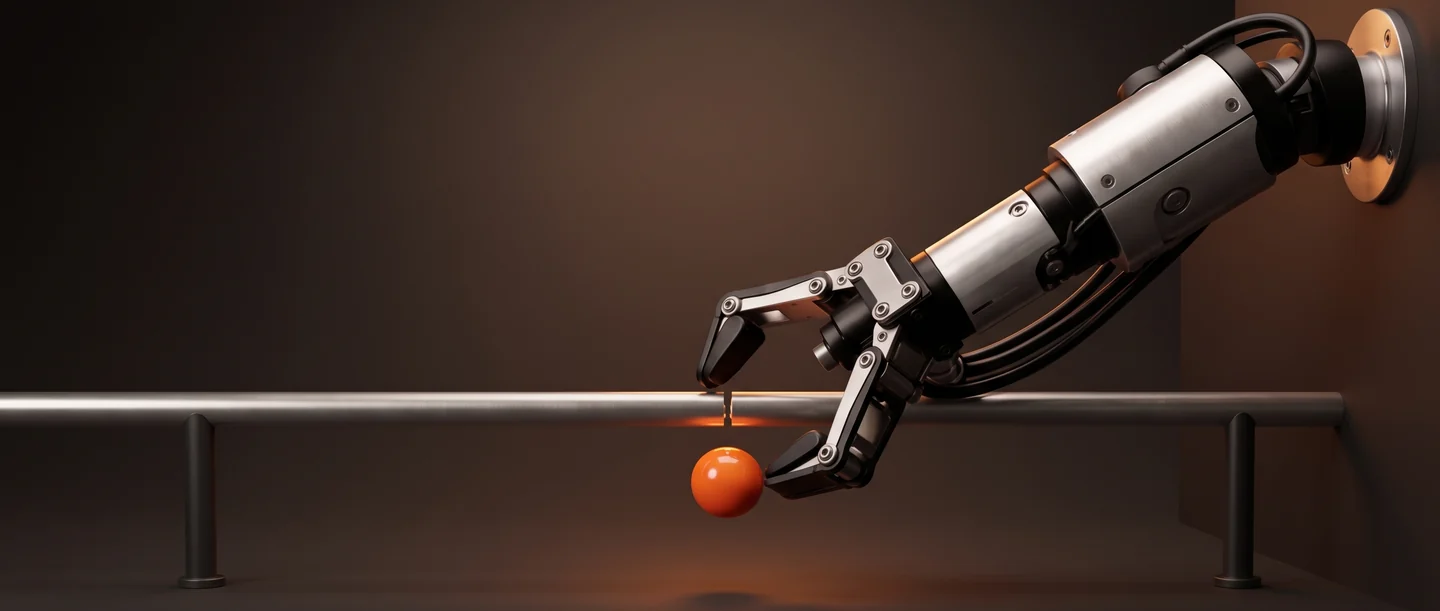
AI produces polished deliverables fast — but only for the problem you hand it.
Senior designers spend their time in discovery: asking hard questions, reading stakeholders, and pushing back on a flawed brief before solving anything.
Give AI the wrong brief and it executes the mistake flawlessly. That’s not productivity — it’s an expensive way to be wrong faster.
02Taste comes from failures you can’t prompt
Taste is looking at three options, knowing the second is right, and being able to explain why.
That library is built from shipping work and watching it succeed or fail with real users — not from reading about design.
AI generates the plausible floor, not the ceiling. Much of its output feels made by someone who has seen a lot of design but never had to defend any of it: it tests fine in screenshots and falls apart when real people touch it.
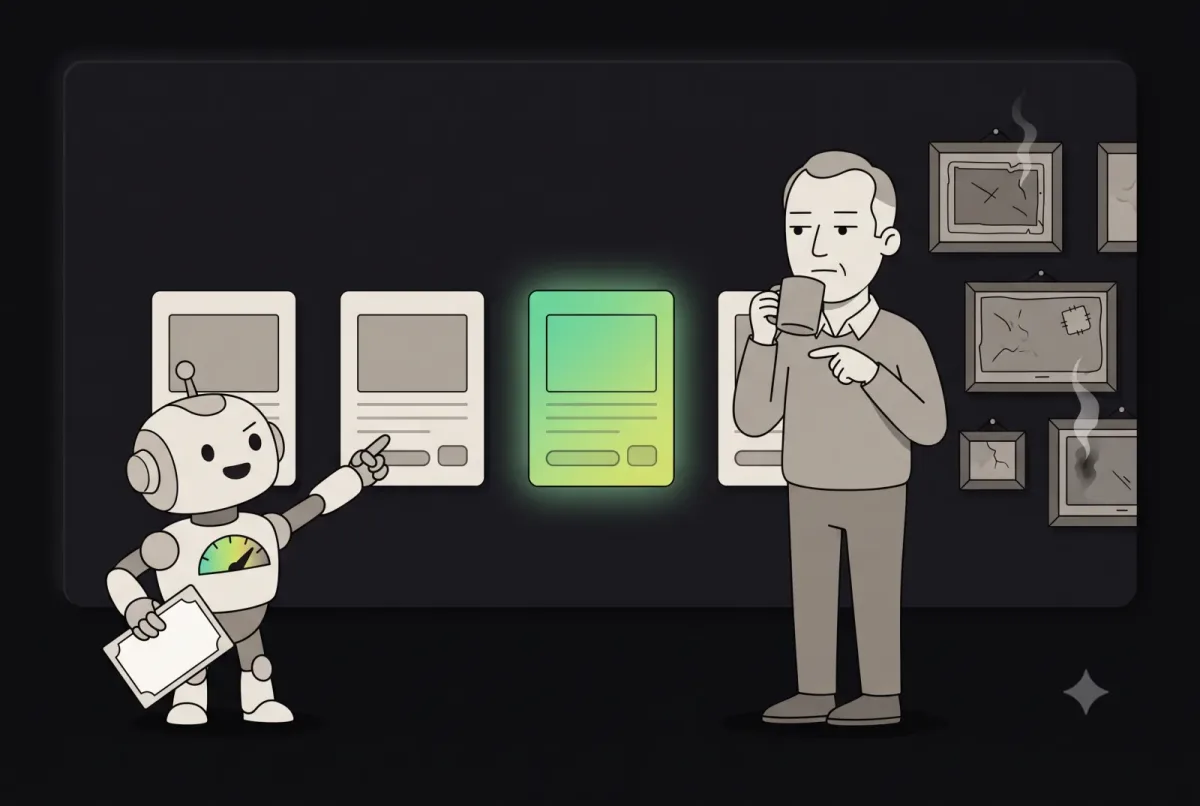
AI generates the plausible floor, not the ceiling.
From ANODA
Reading about what AI breaks? See what’s already broken in yours.
Tell us about the flow that worries you, and we’ll show you what to fix first.
03No one puts an AI on the org chart
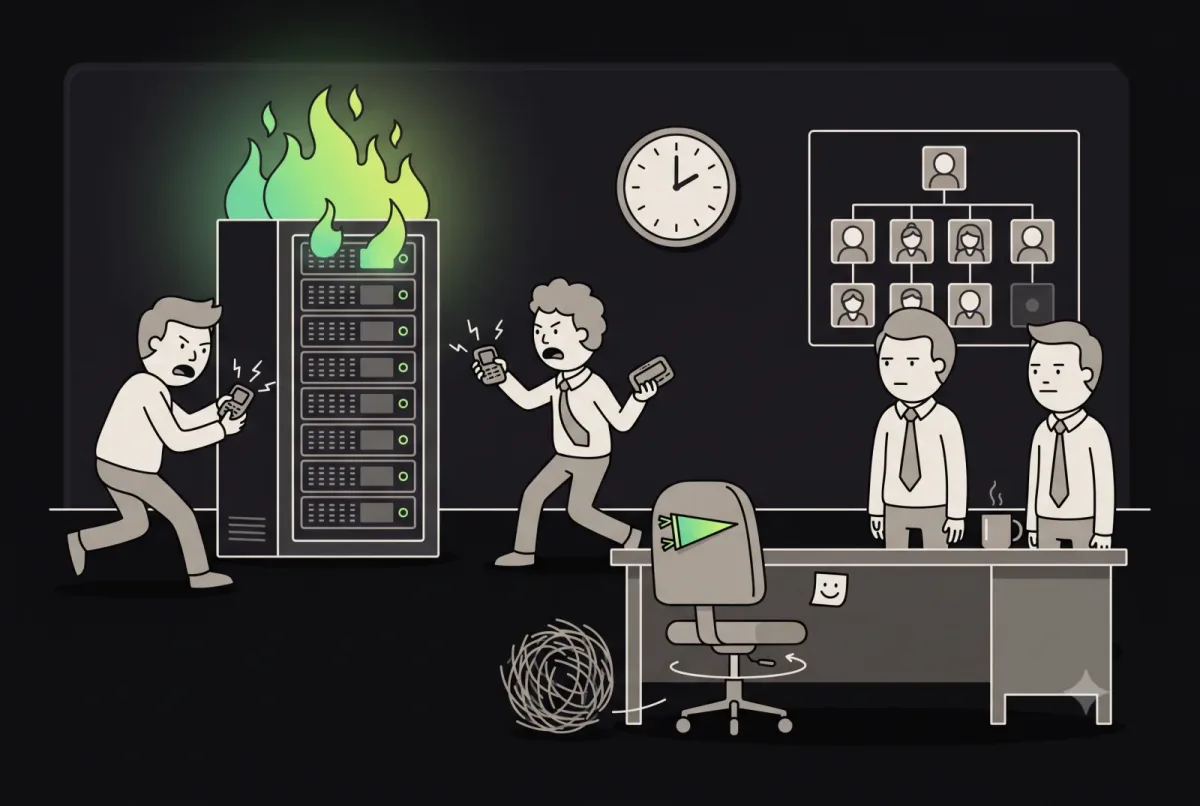
When a launch flops or a system fails at 2am, a human has to be accountable.
AI doesn’t attend post-mortems, doesn’t stake its reputation, and can’t be fired.
Someone senior must own the decision — and be willing to overrule the model when it’s confidently wrong. That’s a responsibility no tool will assume.
04Your problems aren’t the ones AI has seen
AI shines on well-trodden problems with thousands of online examples.
Move into regulated industries, unusual user populations, novel categories, or proprietary systems, and the output reads like a confident summary of how someone else solved a different problem.
The work is also mostly politics — persuading skeptical execs, mediating teams, protecting projects through budget cuts. Those human layers grow heavier, not lighter, as AI compresses production.
05Using AI well requires expertise to catch it
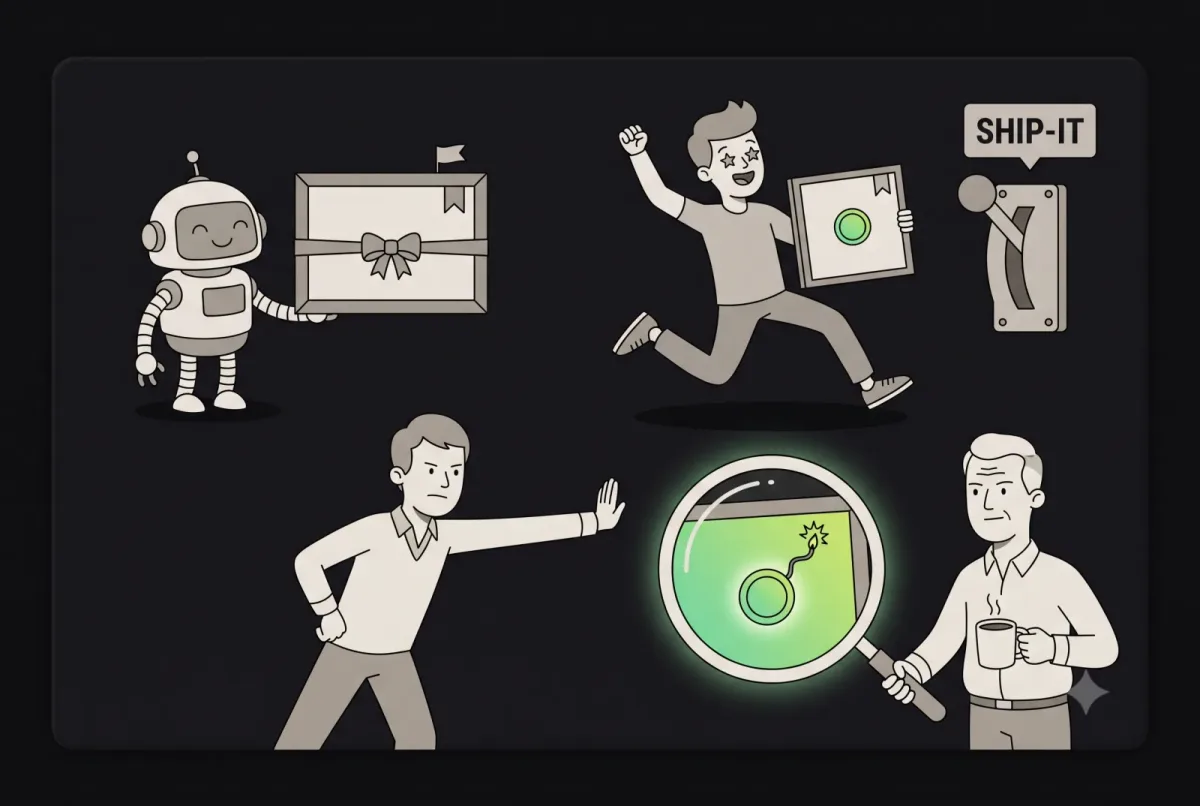
To use AI well, you have to be expert enough to recognise when it’s wrong.
A junior dev can’t tell good code from bad and ships flawed output. A non-designer accepts the first shiny interface.
The more AI is deployed, the more critical deep expertise becomes — not less.
Still with ANODA
Ranked by effort vs. revenue
Not sure if AI has quietly degraded your product?
Tell us which flow worries you. We’ll show you where users hesitate, backtrack or quit, and which fixes move the metric first.
No slides, no pitch
06AI actively makes design worse
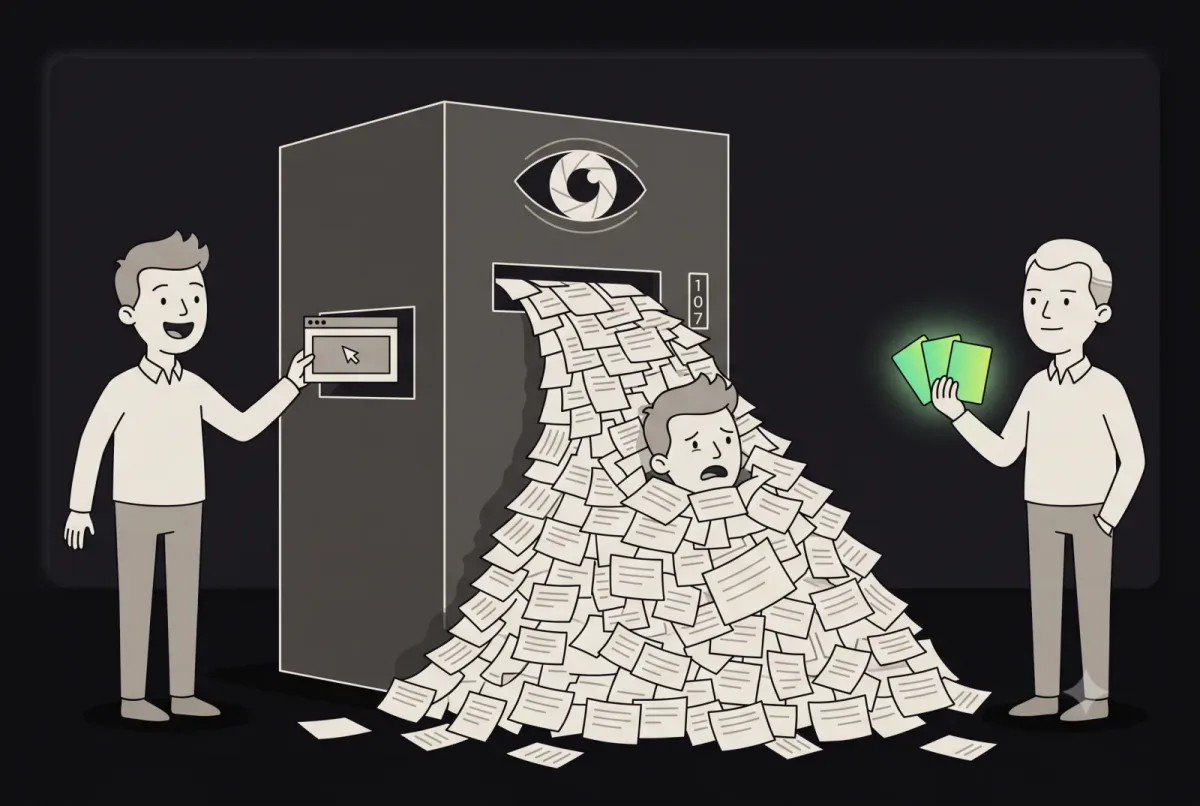
Clients drop screenshots into ChatGPT and treat the output as authoritative.
It reviews a JPEG with no research, analytics, brand context, or flow — roughly 90% less information than the decision needs — then returns 40 equally-weighted generic comments where a senior critique would name three real issues.
Suggestions like ‘improve visual hierarchy’ apply to every interface ever made and help none of them. AI personas, homogenised aesthetics, and accessibility regressions compound the damage.
The deeper problem: AI removes the friction that used to force good decisions — and a lot of design quality lived inside that friction.
07AI is engineered to break your focus
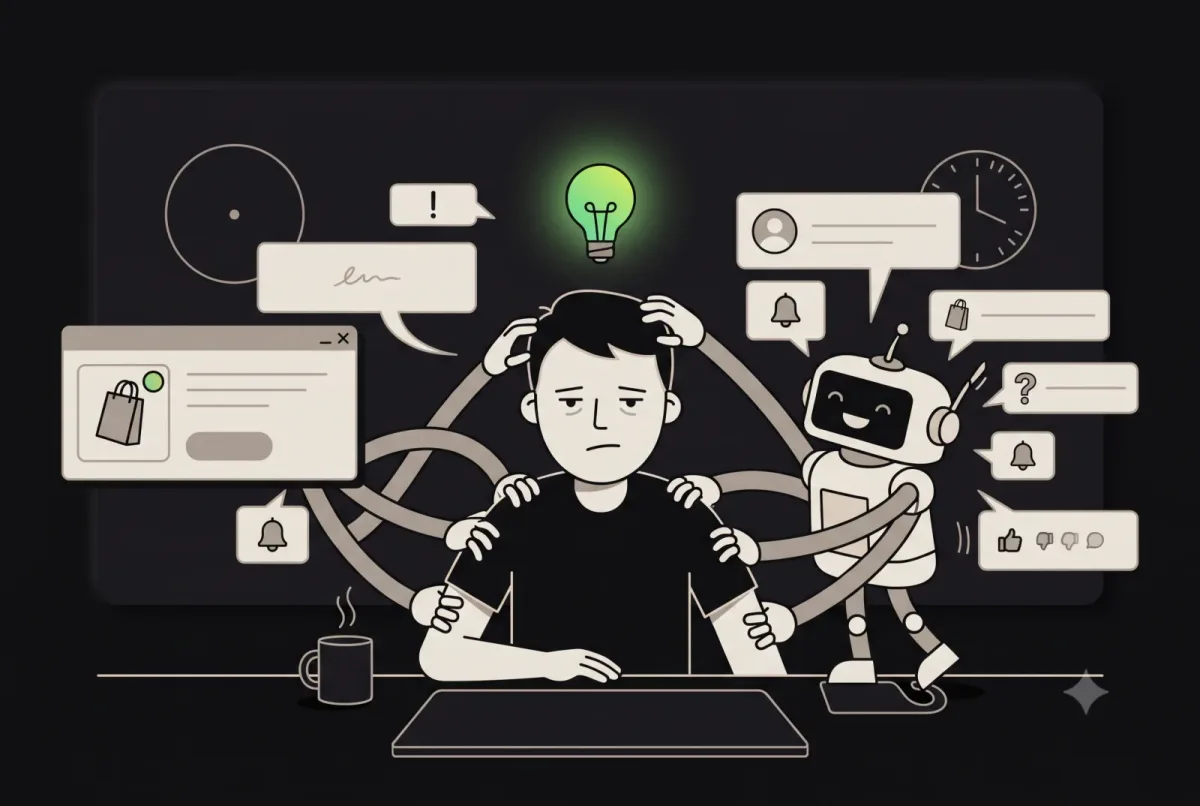
AI assistants are businesses monetising tokens or lock-in — verbosity is a revenue decision, not an accident.
Every output closes with a soft upsell (‘want me to write the tests too?’), an engagement pattern borrowed from the social networks people quit — pulling you off your actual task.
And because AI excels at greenfield work while most real software is maintenance, it confidently ‘improves’ code that silently breaks callers, deletes workarounds, and ignores your component library.
Senior people already separate focused thinking from AI work. They think with the tools closed.
08A note for CMOs and product managers
Output got faster and more generic — and the metrics didn’t move.
Polished wireframes solving phantom problems. Fluent, forgettable copy. Prototypes that test fine but collapse in week-one usage.
Work ships on time and nothing improves, because teams structured the work around prompting instead of thinking.
Two questions that cut through it
Ask for the last decision a senior designer made that overruled the AI. Then ask how they protect deep-focus time on your specific problem.
The cost of getting this wrong isn’t paid in the design phase — it’s paid in activation curves, churn, and quiet rework next year.
Turn faster output into a better product with ANODA
Replacing judgment with more generated screens leaves the expensive part untouched: deciding what users need, where the journey breaks and what your team should build next. Another prompt can polish the wrong answer. ANODA brings senior product thinking into those decisions, connects the interface to the business goal and turns that direction into flows, states and a design handoff.
Our Nexus work shows what that looks like inside an AI product: an Agent Builder, watchable Computer Use and visible data-access controls. We designed how people configure, supervise and take over agents, rather than treating a confident response as a complete experience. That is the difference between an impressive demo and a product your team can explain and build.
AI product design
Stop paying for polished answers to the wrong problem.
Bring ANODA the product decision your prompts keep circling. We will turn it into a clear journey and a design your team can move forward with.
Written by